

Hey there! I'm a supplier of steel structure buildings, and today I wanna have an open and honest chat with you about the disadvantages of steel structure buildings. Yeah, I know it might seem a bit counterintuitive for a supplier to talk about the downsides, but I believe in being transparent. After all, making an informed decision is super important when it comes to choosing the right building type for your needs.
1. High Initial Cost
One of the most obvious drawbacks of steel structure buildings is the high initial cost. Compared to traditional building materials like wood or concrete, steel is generally more expensive. The cost of raw steel, along with the expenses associated with fabrication, transportation, and installation, can add up quickly. For small - scale projects or those on a tight budget, this can be a major deterrent.
Let's break it down a bit. The price of steel fluctuates based on market conditions. When the demand for steel is high, prices can soar. And then there's the cost of fabricating the steel components. Specialized equipment and skilled labor are required to cut, weld, and shape the steel into the necessary parts for your building. This adds to the overall cost.
Transporting steel is also not cheap. Steel is heavy, and shipping it over long distances can incur significant freight charges. Once it arrives at the construction site, the installation process needs to be carried out by experienced workers. They need to ensure that the steel frames are properly aligned and secured, which again adds to the labor cost.
2. Susceptibility to Corrosion
Steel is prone to corrosion, especially when exposed to moisture and oxygen. Rust can eat away at the steel, weakening its structural integrity over time. This is a big concern, especially in areas with high humidity, near the coast where there's saltwater in the air, or in industrial settings with corrosive chemicals.
To prevent corrosion, steel structure buildings often require protective coatings. These coatings act as a barrier between the steel and the environment. However, applying these coatings adds to the initial cost of the building. And it's not a one - time fix. The coatings need to be inspected regularly and reapplied periodically to maintain their effectiveness.
If corrosion is not addressed in a timely manner, it can lead to serious structural problems. The steel may become brittle, and the building's load - bearing capacity can be compromised. This can pose a safety risk to the occupants and may require costly repairs or even reconstruction.
3. High Thermal Conductivity
Steel has a high thermal conductivity, which means it transfers heat easily. In hot weather, a steel structure building can quickly heat up inside, making it uncomfortable for the occupants. And in cold weather, the heat inside the building can escape rapidly through the steel frames, leading to higher energy consumption for heating and cooling.
To mitigate this issue, proper insulation is essential. Insulation materials need to be installed around the steel frames to reduce heat transfer. But insulation adds to the cost of the building. It also takes up space, which can be a problem if you're working with limited square footage.

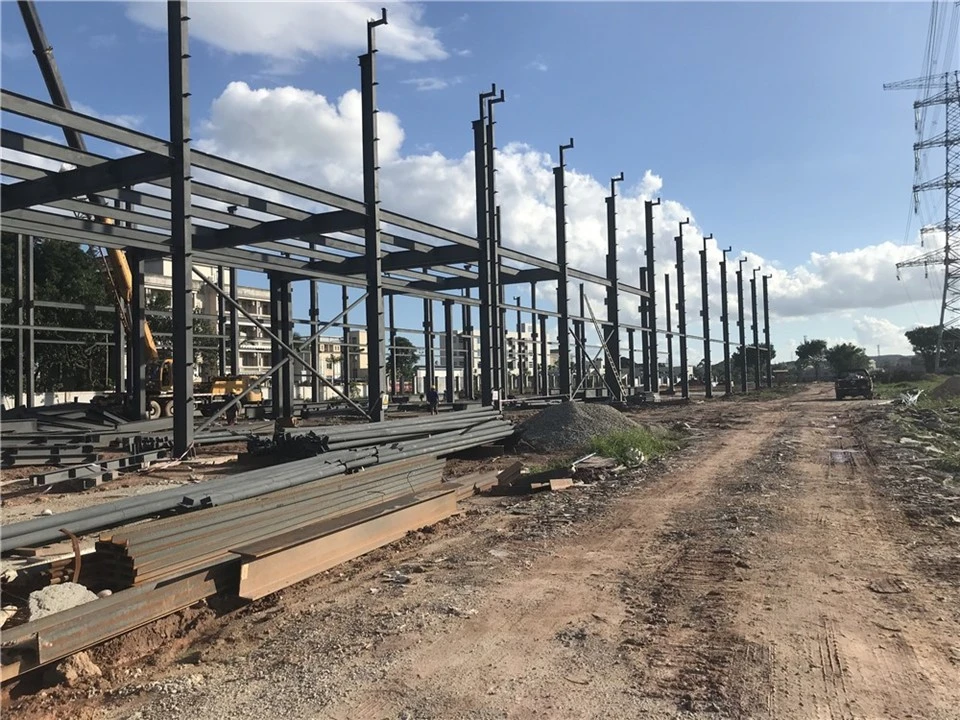
Moreover, if the insulation is not installed correctly, it may not be as effective. Air gaps or improper sealing can allow heat to bypass the insulation, defeating its purpose. This can result in higher energy bills and an uncomfortable indoor environment.
4. Fire Vulnerability
Steel loses its strength at high temperatures. In the event of a fire, the steel frames of a building can start to deform and lose their load - bearing capacity relatively quickly. This can cause the building to collapse, endangering the lives of the people inside.
To make steel structure buildings more fire - resistant, fireproofing materials are often applied. These materials can slow down the heating of the steel during a fire, giving people more time to evacuate and firefighters more time to control the blaze. However, like protective coatings and insulation, fireproofing adds to the cost of the building.
Applying fireproofing materials also requires specialized knowledge and skills. The thickness and application method of the fireproofing need to be carefully determined based on the building's design and the local fire safety codes. If the fireproofing is not done correctly, it may not provide adequate protection in a real - life fire situation.
5. Design Limitations
While steel structure buildings offer a lot of flexibility in terms of design, they also have some limitations. For example, the size and shape of the steel sections can restrict the design possibilities. The standard sizes of steel beams and columns may not always meet the specific requirements of a unique architectural design.
In some cases, achieving a certain aesthetic or functional design may require custom - made steel components. This can be very expensive and time - consuming. The fabrication process for custom steel parts is more complex, and it may take longer to produce them.
Also, the connections between the steel members can be a design challenge. These connections need to be strong enough to transfer loads between the members, but they also need to be designed in a way that is visually appealing. Sometimes, finding the right balance between strength and aesthetics can be difficult.
6. Noise Transmission
Steel structure buildings can be noisy. The steel frames can act as a conductor for sound, allowing noise to travel easily through the building. This can be a problem, especially in residential or commercial settings where a quiet environment is desired.
For example, if there's a lot of activity on one floor of a multi - story steel structure building, the noise can easily transfer to other floors. Footsteps, machinery noise, or even conversations can be heard in adjacent areas.
To reduce noise transmission, additional sound - proofing materials need to be installed. This can include acoustic insulation, sound - absorbing panels, and sealed windows and doors. But again, this adds to the cost of the building and takes up space.
Conclusion
Despite these disadvantages, steel structure buildings still have many advantages, such as their strength, durability, and construction speed. At [Our Company], we offer a range of steel structure buildings, including Structural Steel Frame House, Steel Structural Workshop, and Steel Structure Storage Warehouse.
If you're considering a steel structure building for your project, it's important to weigh the pros and cons carefully. We're here to help you make an informed decision. Whether you have questions about the design, cost, or maintenance of a steel structure building, feel free to reach out to us. We can provide you with detailed information and work with you to find the best solution for your needs. Let's have a chat and see if a steel structure building is the right choice for you!
References
- "Steel Construction Manual" published by the American Institute of Steel Construction
- "Building Science for Architects" by Joseph Lstiburek