

As a professional steel structure supplier, I've often been asked whether steel structure can be recycled. This is a crucial question in today's world, where environmental sustainability is at the forefront of many industries, including construction. In this blog, I'll delve into the recyclability of steel structures, highlighting the benefits and processes involved.
The Recyclability of Steel Structures
Steel is one of the most recyclable materials on the planet. Unlike many other construction materials, steel can be recycled repeatedly without losing its inherent properties. This makes it an ideal choice for sustainable construction projects. When a steel structure reaches the end of its useful life, it can be collected, processed, and transformed into new steel products.
The process of recycling steel structures begins with the demolition of the existing building. Once the steel components are removed, they are sorted and cleaned to remove any contaminants such as paint, rust, or other debris. After cleaning, the steel is melted down in a furnace at extremely high temperatures. The molten steel is then refined to remove impurities and adjust its chemical composition. Finally, the refined steel is cast into new shapes, such as beams, columns, or sheets, which can be used in the construction of new steel structures.
Benefits of Recycling Steel Structures
There are numerous benefits to recycling steel structures, both from an environmental and economic perspective.
Environmental Benefits
- Conservation of Natural Resources: Recycling steel reduces the need for virgin iron ore extraction. Mining for iron ore is a resource - intensive process that can have significant environmental impacts, including deforestation, soil erosion, and water pollution. By recycling steel, we can conserve these valuable natural resources and minimize the environmental damage associated with mining.
- Reduction of Energy Consumption: Producing new steel from recycled materials requires significantly less energy compared to manufacturing steel from raw materials. According to industry estimates, recycling steel can save up to 75% of the energy required for primary steel production. This reduction in energy consumption helps to lower greenhouse gas emissions and mitigate the effects of climate change.
- Waste Reduction: Recycling steel structures diverts large amounts of waste from landfills. In the construction industry, steel waste is a significant contributor to landfill volumes. By recycling steel, we can reduce the amount of waste going to landfills and promote a more circular economy.
Economic Benefits
- Cost Savings: Recycling steel is often more cost - effective than producing new steel. The reduced energy requirements and lower raw material costs associated with recycling can result in significant savings for steel manufacturers. These savings can be passed on to construction companies and consumers, making steel structures a more affordable option for building projects.
- Job Creation: The steel recycling industry creates jobs in various sectors, including collection, sorting, processing, and manufacturing. From scrap metal collectors to steel mill workers, recycling steel supports a wide range of employment opportunities, contributing to local and national economies.
Applications of Recycled Steel in Construction
Recycled steel can be used in a variety of construction applications, just like newly produced steel. Here are some common examples:

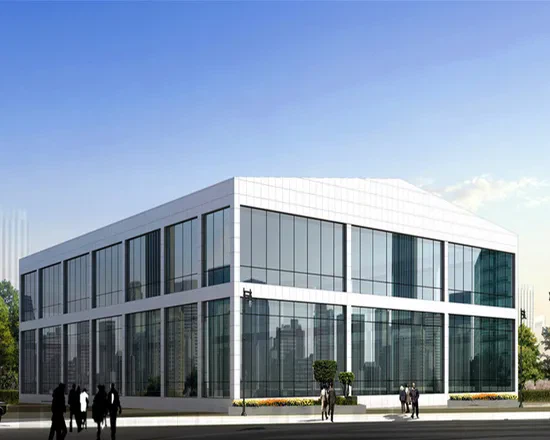
- Steel Structure Office Building: Recycled steel can be used to construct office buildings, providing a strong and durable framework. The high strength - to - weight ratio of steel makes it an ideal material for multi - story office structures, allowing for large open spaces and flexible floor plans.
- Structural Steel Building: Industrial and commercial buildings often use structural steel frames. Recycled steel can be used to fabricate these frames, offering the same level of strength and reliability as new steel. Structural steel buildings are known for their quick construction times and long - term durability.
- Modern House Steel Structure: In residential construction, steel structures are becoming increasingly popular due to their design flexibility and energy efficiency. Recycled steel can be used to build modern houses, providing a sustainable and cost - effective alternative to traditional building materials.
Challenges in Recycling Steel Structures
While steel is highly recyclable, there are some challenges associated with recycling steel structures.
- Contamination: Steel structures may be contaminated with various substances, such as lead - based paints, asbestos, or other hazardous materials. These contaminants need to be removed before the steel can be recycled, which can add to the cost and complexity of the recycling process.
- Sorting and Separation: Steel structures often consist of different types of steel alloys and may be combined with other materials such as concrete, wood, or plastic. Sorting and separating these materials can be a time - consuming and labor - intensive process, especially in large - scale demolition projects.
- Transportation: Transporting large steel structures to recycling facilities can be challenging and costly. The size and weight of steel components require specialized equipment and transportation methods, which can increase the overall cost of recycling.
Overcoming the Challenges
Despite these challenges, the steel industry has made significant progress in developing technologies and processes to overcome them.
- Advanced Cleaning Technologies: New cleaning technologies have been developed to remove contaminants from steel structures more efficiently. For example, shot blasting and chemical cleaning methods can effectively remove paint, rust, and other debris from steel surfaces.
- Automated Sorting Systems: Automated sorting systems use advanced sensors and robotics to separate different types of steel alloys and other materials. These systems can improve the efficiency and accuracy of the sorting process, reducing labor costs and increasing the quality of recycled steel.
- Local Recycling Facilities: Establishing local recycling facilities can help to reduce transportation costs and improve the accessibility of recycling services. By bringing the recycling process closer to the source of the steel waste, we can minimize the environmental impact associated with transportation and make recycling more economically viable.
Conclusion
In conclusion, steel structures can indeed be recycled, and recycling offers numerous environmental and economic benefits. As a steel structure supplier, I'm committed to promoting the use of recycled steel in construction projects. By choosing steel structures, builders and developers can contribute to a more sustainable future while enjoying the many advantages that steel has to offer, such as strength, durability, and design flexibility.
If you're interested in purchasing steel structures for your next project, whether it's a Steel Structure Office Building, a Structural Steel Building, or a Modern House Steel Structure, I encourage you to contact me for a detailed discussion. Let's work together to create sustainable and innovative construction solutions.
References
- American Iron and Steel Institute. (2023). The Environmental Benefits of Steel Recycling.
- World Steel Association. (2023). Steel Recycling: A Key to Sustainability.
- Construction Industry Institute. (2023). Recycling in the Construction Sector.