

As a seasoned supplier of steel structure workshops, I've witnessed firsthand the importance of safety during the construction process. Steel structure workshops offer numerous advantages, such as durability, flexibility, and cost - effectiveness. However, their construction involves various risks that need to be managed properly. In this blog, I'll share some essential safety precautions that should be taken during the construction of a steel structure workshop.
1. Personnel Training and Certification
One of the fundamental safety measures is to ensure that all construction workers are well - trained and certified. Workers involved in tasks like welding, crane operation, and high - altitude work should have the necessary professional certificates. For example, welders need to be certified to perform different types of welding operations according to industry standards. This certification indicates that they have the knowledge and skills to operate welding equipment safely and produce high - quality welds.
Regular safety training sessions should also be conducted for all workers on the construction site. These sessions can cover topics such as hazard identification, proper use of personal protective equipment (PPE), and emergency response procedures. By keeping workers informed and educated, we can significantly reduce the likelihood of accidents.
2. Use of Personal Protective Equipment (PPE)
PPE is a crucial part of construction safety. All workers on the steel structure workshop construction site should be provided with and required to wear appropriate PPE at all times. Hard hats are a must to protect workers from falling objects, which are common hazards during steel erection. Safety glasses or goggles should be worn to protect the eyes from flying debris, sparks, and dust, especially during welding and cutting operations.
For workers performing high - altitude work, safety harnesses are essential. They should be properly secured to reliable anchor points to prevent falls. Additionally, steel - toed boots are necessary to protect the feet from heavy objects and sharp edges. Workers handling chemicals or working in areas with high noise levels should also be provided with appropriate gloves, respirators, and ear protection.
3. Site Preparation and Organization
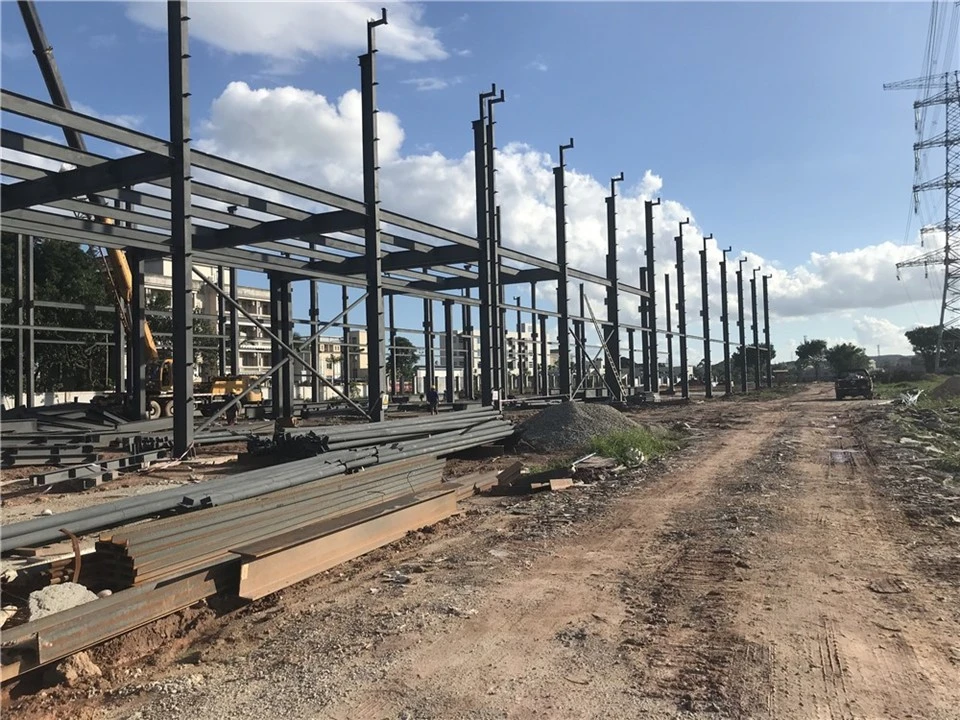
Before starting the construction of a steel structure workshop, proper site preparation is necessary. The construction site should be cleared of any debris, obstacles, or hazards. The ground should be leveled and compacted to ensure a stable foundation for the steel structure. Markings should be made to indicate the boundaries of the construction area, as well as areas for material storage, equipment operation, and pedestrian walkways.
Materials and equipment should be stored in an organized manner. Steel beams, columns, and other components should be stacked neatly and securely to prevent them from toppling over. Tools and small equipment should be stored in designated toolboxes or storage areas to avoid clutter and reduce the risk of tripping hazards. Regular inspections of the storage areas should be carried out to ensure that everything is in its proper place.
4. Equipment Inspection and Maintenance
All equipment used in the construction of the steel structure workshop, such as cranes, forklifts, and welding machines, should be inspected and maintained regularly. Cranes are critical for lifting and positioning heavy steel components, so they need to be inspected thoroughly before each use. This includes checking the hoisting mechanism, cables, brakes, and safety devices. Any signs of wear, damage, or malfunction should be addressed immediately.
Forklifts are used for transporting materials around the site. They should be inspected for proper tire inflation, braking systems, and steering. Welding machines should also be inspected to ensure that they are functioning properly and that there are no electrical hazards. Regular maintenance schedules should be established for all equipment to keep them in good working condition.
5. Structural Stability during Erection
During the erection of the steel structure, maintaining structural stability is of utmost importance. Steel components should be installed in the correct sequence as specified in the construction drawings. Temporary bracing should be used to support the structure until it is fully assembled and stable. This helps prevent the structure from collapsing or shifting during the construction process.
When erecting large - scale steel structures, wind can be a significant factor. Construction should be paused during high - wind conditions to avoid the risk of steel components being blown over. Engineers should calculate the wind loads and design appropriate bracing systems to ensure the stability of the structure under different weather conditions.
6. Welding and Cutting Safety
Welding and cutting operations are common in steel structure construction. These operations involve high temperatures, sparks, and potentially hazardous fumes. Adequate ventilation should be provided in areas where welding and cutting are taking place to remove harmful fumes and gases. Local exhaust ventilation systems can be used to capture and remove the fumes at the source.
Fire prevention measures are also crucial during welding and cutting. Fire - resistant barriers should be used to prevent sparks from spreading to nearby flammable materials. Fire extinguishers should be readily available in the welding and cutting areas, and workers should be trained in their proper use. Additionally, workers should wear appropriate protective clothing made of fire - resistant materials.
7. Electrical Safety
Electrical systems are an integral part of a steel structure workshop. During construction, proper electrical safety measures should be followed. All electrical equipment should be installed by qualified electricians in accordance with electrical codes. Electrical cords and cables should be inspected regularly for damage, and any frayed or exposed wires should be replaced immediately.
Ground fault circuit interrupters (GFCIs) should be used to protect workers from electrical shocks. Electrical panels should be clearly labeled, and access to them should be restricted to authorized personnel only. Workers should be trained to avoid working near electrical equipment when it is wet or when they are wet themselves.
8. Emergency Preparedness
Despite all the safety precautions, emergencies can still occur on the construction site. Therefore, an emergency preparedness plan should be in place. This plan should include procedures for dealing with fires, earthquakes, floods, and medical emergencies.
Fire drills should be conducted regularly to ensure that all workers know how to evacuate the site safely in case of a fire. First - aid kits should be available at multiple locations on the site, and workers should be trained in basic first - aid procedures. In case of a serious medical emergency, there should be a clear plan for transporting the injured worker to the nearest medical facility.

Conclusion
The construction of a steel structure workshop involves various risks, but by implementing these safety precautions, we can significantly reduce the likelihood of accidents and ensure the well - being of all workers on the site. As a Steel structure workshop supplier, I understand the importance of not only providing high - quality steel structure products but also promoting a safe construction environment.
In addition to steel structure workshops, we also offer Steel Structure Automatic Garage and Steel Structure Storage Warehouse solutions. If you are interested in any of our products or have questions about the construction safety of steel structures, please feel free to contact us for procurement discussions. We are committed to providing you with the best products and services to meet your needs.
References
- Construction Safety Handbook, Third Edition, by Roger L. Brauer
- OSHA Standards for Construction Industry, Occupational Safety and Health Administration
- Steel Construction Manual, American Institute of Steel Construction