

As a supplier of steel structure factories, I've been deeply involved in the industry for quite some time. One of the most critical aspects that we often discuss with our clients is the fire - resistance rating of steel structure factories. There are several factors that can significantly impact this rating, and in this blog, I'll break them down for you.
Steel Material Quality
The quality of the steel used in the factory construction is the first and foremost factor. High - quality steel has better inherent properties that can withstand high temperatures for a longer period. Steel with proper chemical composition and uniform microstructure is more resistant to the effects of fire. For instance, steel with a low carbon content and appropriate alloying elements like chromium and nickel can have enhanced heat resistance.

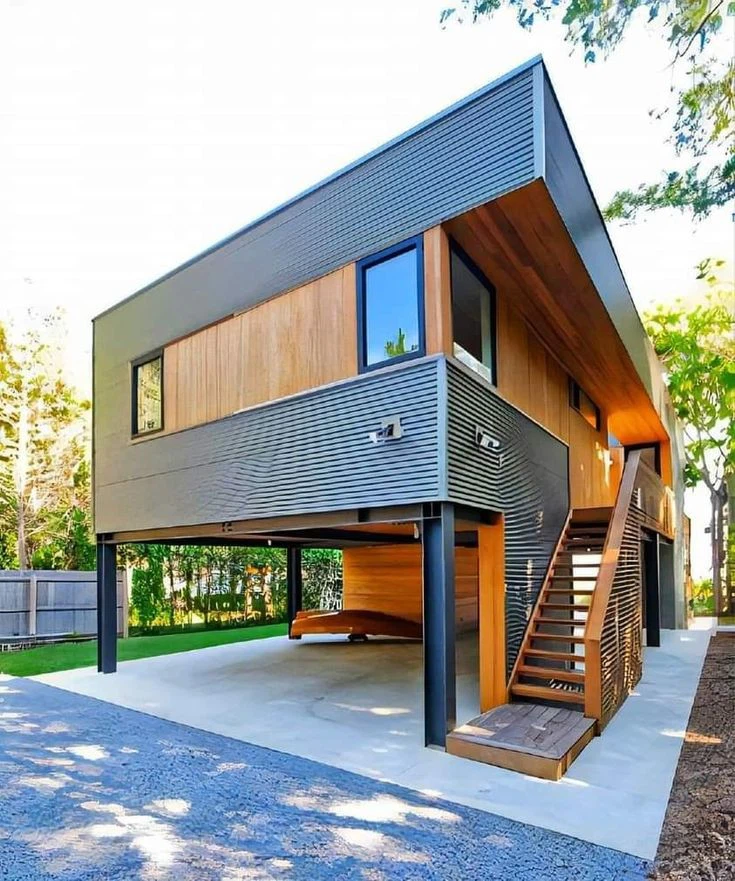
When we supply steel for our Structural Steel Building, we make sure to source from reliable mills. We test the steel to ensure it meets the required standards. A well - made steel beam will not lose its strength as quickly as a lower - quality one when exposed to fire. This means that the overall structure can maintain its integrity for a longer time during a fire incident.
Fire - Resistant Coatings
Applying fire - resistant coatings is a common way to improve the fire - resistance rating of a steel structure factory. These coatings act as a barrier between the steel and the fire, slowing down the heat transfer to the steel. There are different types of fire - resistant coatings available in the market, such as intumescent coatings and cementitious coatings.
Intumescent coatings are quite popular. When exposed to high temperatures, they expand and form a thick, insulating char layer. This char layer can significantly reduce the rate at which the steel heats up. On the other hand, cementitious coatings are more durable and can provide long - term protection. They are made of cement and other fire - resistant materials.
We recommend using high - quality fire - resistant coatings for our Steel Structure Small House and larger factory projects. Our team has experience in applying these coatings correctly to ensure maximum effectiveness. The thickness and application method of the coating also play a crucial role. If the coating is not applied evenly or is too thin, it may not provide the desired level of fire protection.
Structural Design
The design of the steel structure factory itself can have a major impact on its fire - resistance rating. A well - designed structure can distribute the heat more evenly during a fire and prevent local overheating. For example, a structure with proper bracing and a well - thought - out frame layout can be more stable under fire conditions.
Open floor plans can allow heat and smoke to spread more freely, which may reduce the overall fire - resistance of the building. In contrast, a design with fire - rated partitions and compartments can limit the spread of fire and give more time for evacuation and firefighting. We work closely with architects and engineers to come up with a design that maximizes the fire - resistance of the Steel Structural Workshop.
Insulation Materials
Insulation materials used in the factory can also affect the fire - resistance rating. Good insulation not only helps with energy efficiency but also acts as an additional layer of protection against fire. Materials like mineral wool and fiberglass are commonly used for insulation in steel structure factories.
Mineral wool has excellent fire - resistant properties. It can withstand high temperatures without melting or burning, and it can also absorb heat. Fiberglass is another popular choice. It is lightweight and easy to install, and it can provide good thermal insulation. When we supply steel structure factories, we often recommend using high - quality insulation materials to enhance the overall fire - resistance of the building.
Maintenance and Inspection
Regular maintenance and inspection are essential for maintaining the fire - resistance rating of a steel structure factory. Over time, the fire - resistant coatings may wear off, and the insulation materials may get damaged. If these issues are not addressed promptly, the fire - resistance of the building can be compromised.
We advise our clients to conduct regular inspections of the fire - resistant coatings, insulation, and the overall structure. Any signs of damage or wear should be repaired immediately. For example, if there are cracks in the fire - resistant coating, it should be reapplied to ensure continuous protection.
Environmental Conditions
The environmental conditions in which the steel structure factory is located can also affect its fire - resistance. For instance, a factory located in a humid environment may experience corrosion of the steel, which can weaken the structure and reduce its fire - resistance. High - temperature and dry conditions can also have an impact on the fire - resistant coatings and insulation materials.
We take these environmental factors into account when we design and supply steel structure factories. We may recommend using special coatings or materials that are more resistant to corrosion and environmental damage in certain areas.
In conclusion, the fire - resistance rating of a steel structure factory is affected by multiple factors, including steel material quality, fire - resistant coatings, structural design, insulation materials, maintenance, and environmental conditions. As a supplier, we are committed to providing high - quality products and services to ensure that our clients' steel structure factories have a high fire - resistance rating.
If you're interested in purchasing a steel structure factory or have any questions about the fire - resistance of our products, feel free to reach out to us. We're here to help you make the best decisions for your project.
References
- Fire Protection Handbook, National Fire Protection Association
- Steel Construction Manual, American Institute of Steel Construction