

As a dedicated supplier of steel structures building, I've witnessed firsthand the remarkable energy - efficiency features that make these buildings a top choice in the modern construction landscape. In this blog, I'll delve into the key energy - efficiency aspects of steel structures, exploring how they contribute to a more sustainable and cost - effective built environment.
1. High Strength - to - Weight Ratio
One of the most significant advantages of steel structures is their high strength - to - weight ratio. Steel is an incredibly strong material, which means that less of it is required to achieve the same structural integrity as other building materials like concrete. This reduced amount of material translates into lower energy consumption during the manufacturing process.
When producing steel for construction, less energy is used to extract, process, and transport the raw materials because of the relatively small volume needed. Additionally, the lighter weight of steel structures reduces the energy required for transportation to the construction site. Compared to heavy concrete components, steel elements can be easily transported in smaller vehicles, leading to fewer trips and less fuel consumption.
Moreover, during the construction phase, the lighter weight of steel makes it easier to erect. This reduces the need for large, energy - intensive machinery for lifting and installation. For example, a Steel Structural Workshop can be assembled more quickly and with less energy input when using steel structures, as opposed to traditional building materials.
2. Recyclability
Steel is one of the most recycled materials in the world. In fact, nearly 90% of all steel products are recycled at the end of their useful life. This high recyclability rate has a profound impact on energy efficiency.
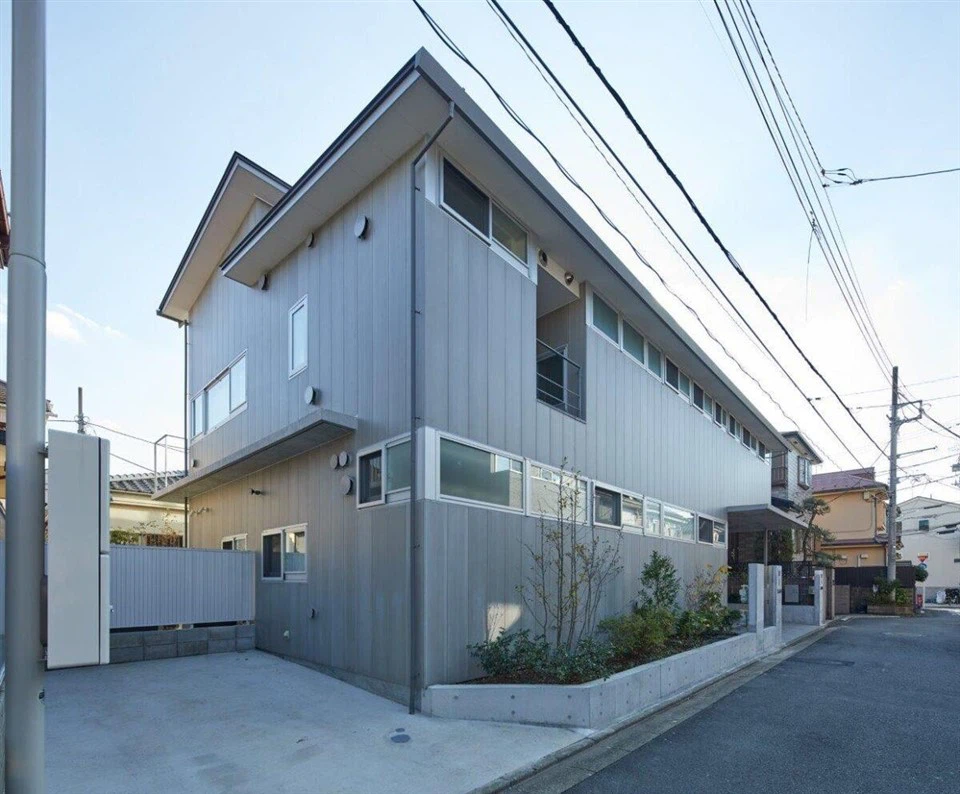

The energy required to recycle steel is significantly less than that needed to produce new steel from raw materials. Recycling steel saves up to 75% of the energy that would be used in primary steel production. When a steel structure reaches the end of its life cycle, the steel can be easily melted down and reused to create new building components.
For a Steel Structure House, this means that at the end of its life, the steel can be recycled into new steel products, reducing the demand for virgin materials and conserving energy. This closed - loop system is not only environmentally friendly but also economically viable, as recycled steel is often more cost - effective than newly produced steel.
3. Thermal Performance
While steel itself is a good conductor of heat, modern steel structures are designed with advanced insulation systems to enhance their thermal performance. Insulation materials can be added to the steel frame to reduce heat transfer through the building envelope.
There are various types of insulation materials available, such as fiberglass, foam, and mineral wool. These materials are installed within the steel framing to create a thermal barrier, preventing heat from escaping in the winter and entering in the summer. This results in lower energy consumption for heating and cooling systems.
For a Steel Structure Automatic Garage, proper insulation can keep the interior temperature stable, reducing the need for excessive heating or cooling. Additionally, some steel structures use reflective coatings on the exterior to reflect solar radiation, further improving the building's energy efficiency.
4. Precision Manufacturing
Steel structures are often manufactured in a factory environment with high precision. This precision manufacturing process ensures that all components fit together perfectly, reducing air leakage. Air leakage is a major contributor to energy loss in buildings, as it allows conditioned air to escape and unconditioned air to enter.
In a factory setting, steel components are fabricated to exact specifications, and quality control measures are in place to ensure a tight fit. When these components are assembled on - site, the result is a building with a more air - tight envelope. This reduces the load on heating and cooling systems, as less energy is needed to maintain a comfortable indoor temperature.
For example, in a steel - framed office building, the precise manufacturing of steel components can lead to significant energy savings over time. The reduced air leakage means that the HVAC system doesn't have to work as hard to maintain the desired temperature, resulting in lower energy bills and a smaller carbon footprint.
5. Adaptability and Flexibility
Steel structures offer a high degree of adaptability and flexibility. They can be easily modified or expanded to meet changing needs. This is important from an energy - efficiency perspective because it allows buildings to be optimized for different uses without the need for complete demolition and reconstruction.
When a building's function changes, such as converting a warehouse into an office space, a steel structure can be reconfigured with relative ease. This reduces the energy associated with building new structures and the waste generated from demolishing old ones.
For instance, a Steel Structural Workshop can be modified to accommodate new manufacturing processes or equipment. The ability to make these changes without major disruptions or excessive energy consumption makes steel structures a sustainable choice for the long term.
6. Daylighting
Steel structures can be designed to maximize the use of natural light. Large windows and skylights can be incorporated into the design to allow sunlight to penetrate deep into the building. This reduces the need for artificial lighting during the day, resulting in significant energy savings.
In a Steel Structure House, for example, well - placed windows can provide ample natural light throughout the living spaces. This not only reduces energy consumption but also creates a more pleasant and healthy indoor environment. Additionally, some steel structures use light - redirecting devices, such as light shelves, to distribute sunlight more evenly within the building.
7. Integration with Renewable Energy Systems
Steel structures are well - suited for the integration of renewable energy systems. The strong and stable nature of steel frames can support the installation of solar panels, wind turbines, and other renewable energy technologies.
Solar panels can be easily mounted on the roof of a steel - framed building. The steel structure provides a solid foundation for the panels, ensuring their stability and longevity. By generating electricity from solar energy, a building can reduce its reliance on the grid and lower its energy costs.
For a Steel Structure Automatic Garage, solar panels can be used to power the garage door openers, lighting, and other electrical systems. This integration of renewable energy sources further enhances the energy efficiency of steel structures.
In conclusion, the energy - efficiency features of steel structures building make them an excellent choice for a wide range of applications. From their high strength - to - weight ratio and recyclability to their thermal performance and adaptability, steel structures offer numerous benefits in terms of energy conservation and sustainability.
If you're considering a new construction project and are interested in the energy - efficient advantages of steel structures, I encourage you to reach out for a detailed discussion. We can explore how a steel structure can meet your specific needs while helping you save on energy costs and reduce your environmental impact. Contact us to start the procurement and negotiation process.
References
- American Iron and Steel Institute. (2023). Steel Recycling: A Sustainable Solution.
- International Energy Agency. (2022). Energy Efficiency in the Building Sector.
- World Steel Association. (2023). The Benefits of Steel in Construction.