

As a supplier of steel building structures, I've witnessed firsthand the durability and versatility that steel brings to construction projects. However, even the most robust steel structures can face damage over time due to various factors such as natural disasters, corrosion, or improper use. In this blog post, I'll share some insights on how to repair damaged steel building structures, drawing from my experience in the industry.
Understanding the Types of Damage
Before diving into the repair process, it's crucial to understand the different types of damage that steel building structures can encounter. The most common types of damage include:
Corrosion
Corrosion is one of the most significant threats to steel structures. It occurs when steel reacts with oxygen and moisture in the environment, leading to the formation of rust. Corrosion can weaken the structural integrity of steel members, reducing their load - carrying capacity and potentially causing failure.
Impact Damage
Impact damage can result from collisions with vehicles, falling objects, or other external forces. This type of damage can cause dents, cracks, or even fractures in the steel members, compromising the overall stability of the structure.
Fatigue Damage
Fatigue damage occurs when steel members are subjected to repeated loading and unloading cycles. Over time, these cycles can cause microscopic cracks to form and propagate, eventually leading to structural failure.
Fire Damage
Exposure to fire can significantly weaken steel structures. High temperatures can cause steel to lose its strength and stiffness, leading to deformation and collapse.

Inspection and Assessment
The first step in repairing damaged steel building structures is to conduct a thorough inspection and assessment. This involves visually examining the structure to identify any signs of damage, such as cracks, corrosion, or deformation. Non - destructive testing methods, such as ultrasonic testing, magnetic particle testing, and radiographic testing, can also be used to detect internal defects in the steel members.
During the inspection, it's important to document the location, extent, and severity of the damage. This information will be used to develop a repair plan and estimate the cost and time required for the repairs.
Repair Methods
Corrosion Repair
The first step in repairing corrosion - damaged steel is to remove the rust. This can be done using mechanical methods, such as sandblasting or wire brushing, or chemical methods, such as using rust converters. Once the rust has been removed, a protective coating should be applied to prevent further corrosion. The type of coating used will depend on the environment in which the structure is located and the level of protection required.
Impact Damage Repair
For minor impact damage, such as dents, the steel member can often be repaired by straightening it using hydraulic presses or other specialized equipment. If the damage is more severe and has caused cracks or fractures, the damaged section may need to be replaced. In some cases, additional reinforcement may be added to the repaired area to ensure its structural integrity.
Fatigue Damage Repair
Repairing fatigue - damaged steel typically involves removing the cracked section and replacing it with a new one. In addition, measures should be taken to reduce the stress levels in the structure to prevent future fatigue damage. This may include modifying the loading conditions, adding additional support, or improving the design of the structure.
Fire Damage Repair
Fire - damaged steel structures may require extensive repairs. First, the damaged steel members need to be evaluated to determine if they can be repaired or if they need to be replaced. If the steel has been severely deformed or has lost its strength, replacement is usually the best option. After the damaged members have been replaced or repaired, the structure may need to be reinforced to restore its original strength and stability.
Safety Considerations
Repairing damaged steel building structures can be a dangerous task, so it's essential to follow all safety procedures. Workers should wear appropriate personal protective equipment (PPE), such as hard hats, safety glasses, gloves, and steel - toed boots. In addition, the work area should be properly secured to prevent unauthorized access and to protect workers from falling objects or other hazards.
Case Studies
Let's take a look at a few real - world examples of steel building structure repairs.
Case 1: A Steel Structure Storage Warehouse
A Steel Structure Storage Warehouse had suffered from severe corrosion due to its proximity to a coastal area. The inspection revealed that the columns and beams in the warehouse had significant rust, which had reduced their cross - sectional area and load - carrying capacity. The repair process involved sandblasting the corroded areas to remove the rust, followed by the application of a high - performance anti - corrosion coating. Some of the severely damaged sections were also replaced to ensure the long - term stability of the warehouse.
Case 2: A Steel Structural Workshop
A Steel Structural Workshop experienced impact damage when a large piece of equipment was accidentally dropped on one of the beams. The beam had a visible crack, and the structure's integrity was at risk. The damaged section of the beam was cut out and replaced with a new one. Additional bracing was also added to the area to prevent similar damage in the future.
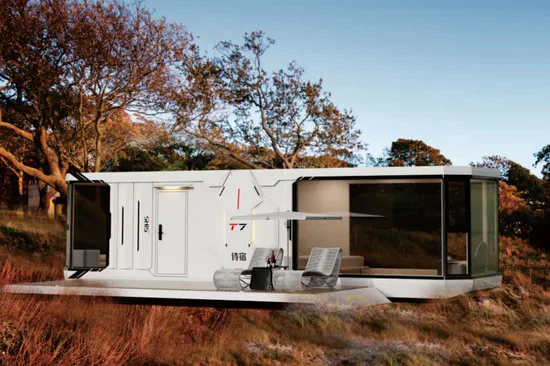
Case 3: A Steel Structure Small House
A Steel Structure Small House was damaged by a fire. The steel frame of the house had lost some of its strength due to the high temperatures. After a detailed inspection, it was determined that several sections of the frame needed to be replaced. The new steel members were carefully installed, and the structure was reinforced to meet the original design specifications.
Conclusion
Repairing damaged steel building structures requires a comprehensive understanding of the types of damage, proper inspection and assessment, and the use of appropriate repair methods. As a steel building structure supplier, I'm committed to providing high - quality products and support to our customers. Whether you're dealing with corrosion, impact damage, fatigue, or fire damage, our team of experts can help you develop a cost - effective and efficient repair plan.
If you have a damaged steel building structure or are considering a new construction project, I encourage you to reach out to us. We can provide you with detailed information about our products and services, and assist you in making the best decisions for your project. Contact us today to start the conversation about your steel building needs.
References
- ASCE 360 - 10, Specification for Structural Steel Buildings
- AISC Steel Construction Manual, 14th Edition
- NACE International, Corrosion Control Manuals