

As a seasoned supplier of warehouse steel structures, I understand the critical importance of ensuring the stability of multi - span warehouse steel structures. A stable steel structure is the backbone of any warehouse, guaranteeing the safety of stored goods and the well - being of workers. In this blog, I will share some essential strategies and considerations to achieve and maintain the stability of multi - span warehouse steel structures.
Structural Design Optimization
The journey to a stable multi - span warehouse steel structure begins with meticulous design. The design phase is where the foundation of stability is laid, and every decision can have a profound impact on the long - term performance of the structure.
Appropriate Structural System Selection
When designing a multi - span warehouse, choosing the right structural system is crucial. There are several common structural systems for steel warehouses, such as portal frame structures, space truss structures, and lattice structures. For multi - span warehouses, portal frame structures are often a popular choice due to their simplicity, cost - effectiveness, and relatively high load - bearing capacity.
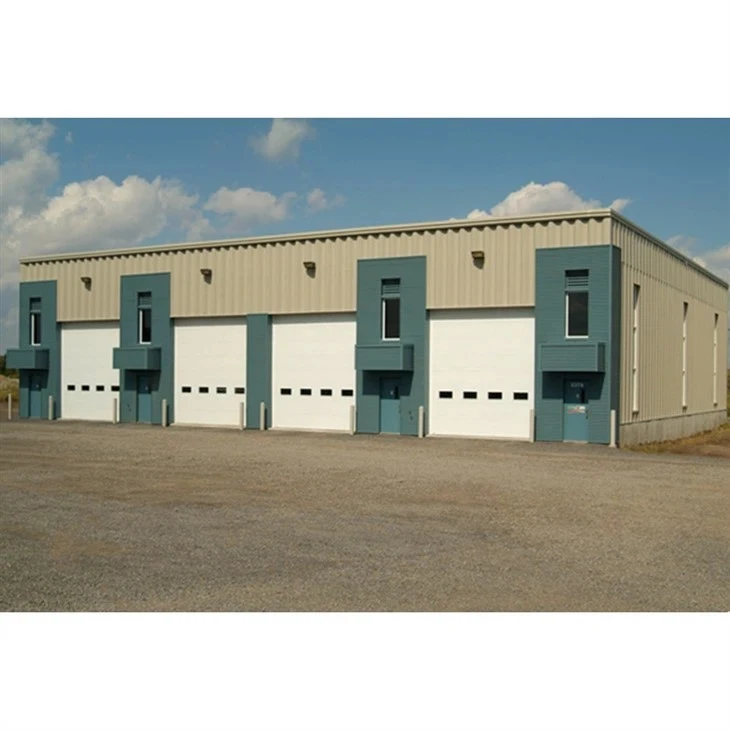

Portal frames consist of columns and rafters rigidly connected at the joints, forming a stable frame. The use of portal frames in multi - span warehouses can be optimized by adjusting the span, height, and section size of the members according to the specific load requirements of the warehouse. For example, in a warehouse with heavy storage loads, larger section sizes of columns and rafters may be required to ensure sufficient strength and stiffness. You can learn more about different steel structure systems on our Steel Structure Building page.
Precise Load Calculation
Accurate load calculation is another key aspect of structural design. The loads acting on a multi - span warehouse steel structure include dead loads (the weight of the structure itself), live loads (such as the weight of stored goods and moving equipment), wind loads, snow loads, and seismic loads. Each of these loads must be carefully calculated based on local building codes and the specific usage of the warehouse.
For instance, in regions with high wind speeds, the wind load calculation should consider factors such as the shape of the warehouse, the height of the building, and the surrounding terrain. By accurately calculating the loads, the structural designer can determine the appropriate size and strength of the steel members to resist these forces. This ensures that the structure remains stable under various operating conditions.
Connection Design
The connections between steel members play a vital role in the stability of the entire structure. In a multi - span warehouse, there are various types of connections, including bolted connections, welded connections, and a combination of both.
Bolted connections are often preferred for their ease of installation and disassembly, which can be beneficial during construction and maintenance. However, the design of bolted connections must ensure sufficient pre - tensioning of the bolts to prevent slippage under load. Welded connections, on the other hand, provide a more rigid and continuous connection, but they require high - quality welding techniques to ensure the integrity of the joint.
Proper connection design also involves considering the transfer of forces between members. For example, in a portal frame structure, the connection between the column and the rafter must be designed to transfer both vertical and horizontal forces effectively. This requires a detailed analysis of the stress distribution at the connection points and the selection of appropriate connection types and sizes.
High - Quality Material Selection
The quality of the steel materials used in a multi - span warehouse steel structure directly affects its stability. As a supplier, I always emphasize the importance of using high - quality steel.
Steel Grade Selection
There are different grades of steel available in the market, each with its own mechanical properties. For multi - span warehouse steel structures, commonly used steel grades include Q235, Q345, and higher - strength steels. The selection of the steel grade depends on the specific load requirements and the design of the structure.
Higher - strength steels can provide greater strength and stiffness, allowing for the use of smaller section sizes of steel members. This can not only reduce the weight of the structure but also potentially save on material costs. However, higher - strength steels may also have different welding and processing requirements, so careful consideration must be given during the material selection process.
Material Inspection
Before using any steel materials in the construction of a multi - span warehouse, thorough material inspection is necessary. This includes checking the chemical composition, mechanical properties, and surface quality of the steel. The chemical composition of the steel should meet the specified standards to ensure its corrosion resistance and weldability.
Mechanical property tests, such as tensile tests and hardness tests, can verify the strength and ductility of the steel. Surface quality inspection is also important to detect any defects such as cracks, scratches, or rust, which can weaken the structure. By ensuring the quality of the steel materials through strict inspection, we can prevent potential stability issues caused by sub - standard materials.
Rigorous Construction Management
Even with a well - designed structure and high - quality materials, the stability of a multi - span warehouse steel structure can be compromised if the construction process is not properly managed.
Skilled Construction Team
A skilled and experienced construction team is essential for the successful construction of a multi - span warehouse steel structure. The construction workers should be familiar with the construction techniques and safety regulations related to steel structures. They should be able to accurately install the steel members according to the design drawings and ensure the correct alignment and connection of the members.
For example, during the installation of columns, the verticality of the columns must be carefully controlled to prevent uneven loading on the structure. The construction team should also be trained in welding and bolting techniques to ensure the quality of the connections.
Construction Sequence
The construction sequence of a multi - span warehouse steel structure is also crucial for its stability. The columns are usually installed first, followed by the rafters and other secondary members. The installation of the roof and wall panels should be carried out in a proper sequence to avoid over - loading the structure during the construction process.
In addition, temporary bracing should be used during the construction to ensure the stability of the structure before the permanent bracing is installed. The temporary bracing should be designed to withstand the wind and other loads acting on the structure during the construction period.
Quality Control
Quality control is an ongoing process throughout the construction of a multi - span warehouse steel structure. Regular inspections should be carried out at each stage of the construction to ensure that the work meets the design requirements and relevant standards.
This includes checking the installation accuracy of the steel members, the quality of the connections, and the overall stability of the structure. Non - destructive testing methods, such as ultrasonic testing and magnetic particle testing, can be used to detect any internal defects in the welded connections. By implementing strict quality control measures, we can identify and correct any potential stability issues in a timely manner.
Regular Maintenance and Inspection
Once the multi - span warehouse steel structure is completed and put into use, regular maintenance and inspection are necessary to ensure its long - term stability.
Maintenance Plan
A comprehensive maintenance plan should be developed for the multi - span warehouse steel structure. This plan should include regular cleaning of the structure to remove dirt, dust, and other debris that may accumulate on the surface of the steel members. Cleaning can help prevent corrosion and maintain the appearance of the structure.
The maintenance plan should also include regular inspection of the paint coating on the steel members. The paint coating provides a protective layer against corrosion, and any damage to the paint coating should be repaired in a timely manner. In addition, lubrication of moving parts, such as door hinges and roller shutters, should be carried out regularly to ensure their smooth operation.
Structural Inspection
Regular structural inspection is essential to detect any signs of damage or deterioration in the multi - span warehouse steel structure. The inspection should be carried out by a qualified structural engineer at least once a year.
During the inspection, the engineer will check the condition of the steel members, the connections, and the overall stability of the structure. They will look for signs of corrosion, deformation, cracks, and other defects. If any issues are detected, appropriate repair and reinforcement measures should be taken immediately to prevent further damage and ensure the stability of the structure.
In conclusion, ensuring the stability of a multi - span warehouse steel structure requires a comprehensive approach that includes structural design optimization, high - quality material selection, rigorous construction management, and regular maintenance and inspection. As a Steel Structure Warehouse Building supplier, we are committed to providing our customers with stable and reliable steel structures. If you are planning to build a multi - span warehouse or need any advice on steel structure stability, please feel free to contact us for a detailed discussion and procurement negotiation. We also offer a wide range of Steel Structure Factory Building solutions to meet your different needs.
References
- "Steel Structure Design Manual"
- Local building codes and standards related to steel structures
- Research papers on the stability of multi - span steel structures