

Hey there! As a supplier of Steel Structure Building, I often get asked if steel structure buildings can be prefabricated. Well, the short answer is yes! And in this blog post, I'm gonna dive deep into why prefabricated steel structures are a game-changer in the construction industry.
What is Prefabrication?
Let's start with the basics. Prefabrication is the process of manufacturing components of a structure in a factory and then transporting them to the construction site for assembly. It's like building a giant Lego set, but on a much larger and more complex scale. Instead of constructing a building piece by piece on-site, prefabrication allows for a more efficient and controlled manufacturing environment.
Why Steel Structure Buildings are Ideal for Prefabrication
1. Strength and Durability
Steel is an incredibly strong and durable material. It can withstand harsh weather conditions, seismic activity, and even fire better than many other building materials. When prefabricated, steel components are engineered to exact specifications, ensuring that the final structure is both safe and long-lasting.

2. Precision Manufacturing
In a factory setting, steel components can be manufactured with a high degree of precision. Computer-aided design (CAD) and computer numerical control (CNC) machines are used to cut, shape, and weld the steel with millimeter accuracy. This precision translates into a better-fitting and more stable structure when the components are assembled on-site.
3. Cost-Effectiveness
Prefabrication can significantly reduce construction costs. Since the components are manufactured in a factory, there is less waste, and labor costs are often lower. Additionally, the shorter construction time means that the building can be occupied and generating revenue sooner.
4. Environmental Friendliness
Steel is a highly recyclable material, and prefabrication reduces the amount of waste generated during construction. By manufacturing components in a factory, it's easier to control and manage the waste, and any excess steel can be recycled and reused.
Types of Prefabricated Steel Structure Buildings
Steel Structure Worker House
These are ideal for providing temporary or permanent housing for workers on construction sites, mining operations, or other industrial projects. Prefabricated worker houses can be quickly assembled and disassembled, making them a cost-effective and flexible solution.
Steel Structure Factory Building
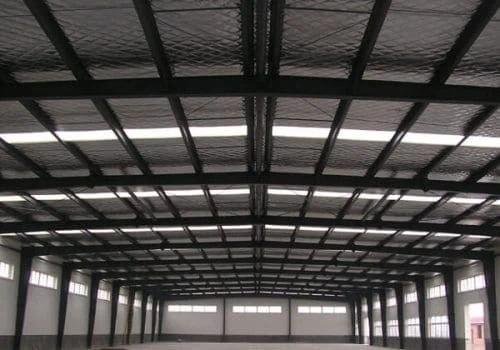
Factory buildings require large open spaces and high ceilings. Steel structures are perfect for this type of application because they can span long distances without the need for intermediate columns. Prefabricated factory buildings can be customized to meet the specific needs of the manufacturing process, including the installation of specialized equipment and ventilation systems.
The Prefabrication Process
Design Phase
The first step in the prefabrication process is the design phase. This involves working with architects and engineers to create a detailed design of the building. The design will take into account the specific requirements of the project, such as the size, layout, and functionality of the building.
Manufacturing Phase
Once the design is finalized, the steel components are manufactured in the factory. This involves cutting, shaping, and welding the steel according to the specifications of the design. The components are then painted or coated to protect them from corrosion.
Transportation and Assembly Phase
After the components are manufactured, they are transported to the construction site. On-site, the components are assembled using cranes and other heavy equipment. The assembly process is typically faster and more efficient than traditional construction methods.
Benefits of Choosing a Prefabricated Steel Structure Building
Faster Construction Time
One of the biggest advantages of prefabricated steel structure buildings is the faster construction time. Since the components are manufactured off-site, the on-site construction time is significantly reduced. This means that the building can be completed and occupied sooner, which is especially important for projects with tight deadlines.
Quality Control
In a factory setting, there is better quality control compared to on-site construction. The manufacturing process is closely monitored, and any defects can be identified and corrected before the components are shipped to the construction site. This ensures that the final structure meets the highest standards of quality and safety.
Flexibility and Customization
Prefabricated steel structure buildings can be easily customized to meet the specific needs of the project. Whether you need a small storage shed or a large industrial complex, the design can be tailored to your requirements. Additionally, steel structures can be easily modified or expanded in the future.
Energy Efficiency
Steel structure buildings can be designed to be energy-efficient. Insulation can be added to the walls and roof to reduce heat loss, and energy-efficient windows and doors can be installed. This can result in significant savings on energy costs over the life of the building.
Conclusion
So, there you have it! Steel structure buildings can definitely be prefabricated, and there are many benefits to choosing a prefabricated steel structure for your next project. Whether you're looking for a worker house, a factory building, or any other type of steel structure, prefabrication offers a faster, more cost-effective, and higher-quality solution.
If you're interested in learning more about our Steel Structure Building products or have a project in mind, I'd love to hear from you. Feel free to reach out to us to discuss your requirements and get a quote. We're here to help you turn your vision into a reality.
References
- American Institute of Steel Construction (AISC). (2023). Steel Construction Manual.
- National Fire Protection Association (NFPA). (2023). Fire Protection Handbook.
- International Building Code (IBC). (2023). Building Code Requirements for Structural Steel Buildings.