

Hey there! As a supplier of Structural Steel Buildings, I've had the chance to work with all sorts of structural steel in building projects. In this blog, I'll share the commonly used types of structural steel in buildings.
Mild Steel
Mild steel is like the go - to guy in the world of structural steel. It's super popular because it's relatively inexpensive and easy to work with. This type of steel has a low carbon content, usually less than 0.3%. That low carbon content gives it some great properties.
First off, it's highly ductile. What does that mean? Well, it can be bent, shaped, and formed into different configurations without breaking. This makes it perfect for all kinds of building components, like beams and columns. For example, when we're constructing a Steel Structure Warehouse Building, mild steel beams can be easily fabricated to support the large open spaces of the warehouse.
Mild steel also has good weldability. Welding is a crucial process in steel construction, and mild steel can be welded with ease. This allows for quick and efficient assembly of steel structures on - site. And let's not forget about its strength. While it may not be as strong as some high - strength steels, it still has enough strength to handle the loads in many building applications.
High - Strength Low - Alloy (HSLA) Steel
HSLA steel is another type that's commonly used in building projects. It's a bit of an upgrade from mild steel. As the name suggests, it has a higher strength compared to mild steel, but it also contains small amounts of alloying elements like copper, nickel, chromium, and vanadium.
The addition of these alloying elements gives HSLA steel some amazing properties. It has a high strength - to - weight ratio, which means you can use less steel to achieve the same strength as mild steel. This is a big advantage when it comes to cost - savings and reducing the overall weight of the building.
For instance, in a Steel Structure Automatic Garage, using HSLA steel can help in designing a lighter structure that still has the strength to support the weight of cars and the mechanical systems. HSLA steel also has better corrosion resistance than mild steel. This is important because it can extend the lifespan of the steel structure, especially in environments where corrosion is a concern, like coastal areas.
HSLA steel is also relatively easy to form and weld, similar to mild steel. This makes it a versatile choice for a wide range of building applications, from small - scale residential buildings to large - scale commercial structures.
Weathering Steel
Weathering steel, also known as Corten steel, is a unique type of steel that's often used in building facades and some structural applications. It has a distinct rust - like appearance that gives buildings a rustic and industrial look.
The secret behind weathering steel is its ability to form a protective oxide layer on its surface when exposed to the elements. This oxide layer acts as a barrier, preventing further corrosion of the steel. So, unlike other steels that need to be painted or coated to prevent rust, weathering steel can be left untreated.
In a Modern House Steel Structure, weathering steel can be used to create a striking exterior. The natural rust color adds a touch of character to the house, and the low - maintenance aspect is a plus for homeowners.
However, it's important to note that weathering steel requires a certain amount of moisture and oxygen to form the protective oxide layer. In environments where there's not enough of these elements, the steel may not develop the proper protective layer, and corrosion could still occur.
Stainless Steel
Stainless steel is well - known for its corrosion resistance and aesthetic appeal. It contains chromium, which forms a passive oxide layer on the surface of the steel, protecting it from rust and corrosion.
In building applications, stainless steel is often used in areas where hygiene and appearance are important. For example, in commercial kitchens or hospitals, stainless steel is used for handrails, countertops, and structural components. It's also used in architectural features like decorative elements and facades.
The high corrosion resistance of stainless steel makes it suitable for buildings in harsh environments, such as near the ocean or in industrial areas with high levels of pollution. But it comes at a cost. Stainless steel is more expensive than other types of structural steel, so it's usually used in applications where its unique properties are really needed.
Structural Tubing
Structural tubing is a type of steel that comes in different shapes, such as square, rectangular, and circular. It's commonly used in building frames, trusses, and columns.
The shape of the tubing gives it some unique advantages. For example, square and rectangular tubing has a large surface area, which makes it ideal for applications where there are lateral loads, like wind loads. Circular tubing, on the other hand, has a uniform cross - section, which gives it good torsional strength.
Structural tubing can be made from different types of steel, including mild steel, HSLA steel, and stainless steel. This allows for a wide range of applications depending on the specific requirements of the building. In a multi - story building, structural tubing can be used to create a strong and stable frame that can withstand the vertical and horizontal loads.
I - Beams
I - beams are one of the most recognizable types of structural steel. They have an I - shaped cross - section, with a wide flange at the top and bottom and a narrow web in the middle.
The design of the I - beam makes it very efficient at carrying loads. The flanges are mainly responsible for resisting bending moments, while the web resists shear forces. This makes I - beams ideal for use as beams and girders in buildings.
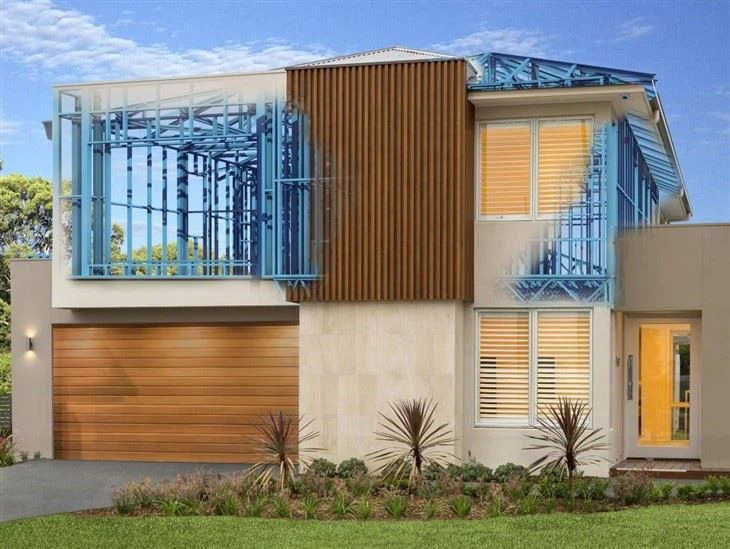
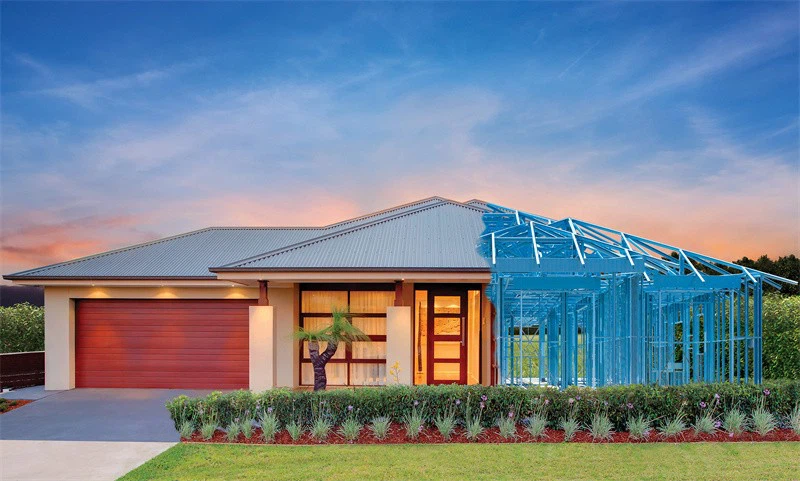
I - beams can be made from mild steel, HSLA steel, or other types of steel depending on the load requirements. In a large - scale commercial building, I - beams can be used to support the floors and roofs, providing a strong and stable structure.
Angle Steel
Angle steel, also known as L - shaped steel, is another commonly used type of structural steel. It has an L - shaped cross - section and is used in a variety of building applications.
Angle steel is often used for bracing, framing, and as a connection element in steel structures. It can be used to reinforce corners and joints in a building, adding extra strength and stability. Angle steel is relatively inexpensive and easy to work with, making it a popular choice for small - scale building projects as well as large - scale ones.
Channel Steel
Channel steel has a C - shaped cross - section. It's similar to I - beams in that it can be used to carry loads, but it's often used in different applications.
Channel steel is commonly used for framing, supports, and as a base for other structural elements. It can be used in combination with other types of steel, such as I - beams and angle steel, to create a complete steel structure. In a building, channel steel can be used to support partitions, ceilings, and other non - load - bearing elements.
So, there you have it! These are some of the most commonly used types of structural steel in building projects. Each type has its own unique properties and advantages, and the choice of steel depends on the specific requirements of the building, such as the load - bearing capacity, the environment, and the budget.
If you're planning a building project and need high - quality structural steel, we're here to help. We have a wide range of structural steel products that can meet your needs. Whether you're building a small house or a large commercial complex, we can provide the right type of steel for your project. Don't hesitate to reach out to us for more information and to start a procurement discussion.
References
- "Structural Steel Design" by Jack C. McCormac
- "Steel Construction Manual" by the American Institute of Steel Construction