

Hey there! As a steel structure supplier, I've been deeply involved in the industry for quite some time. Steel structure hoisting operations are a crucial part of many construction projects, and safety management is of utmost importance. In this blog, I'll share some key safety management measures for steel structure hoisting operations.
1. Pre - operation Preparation
Before we even think about starting the hoisting process, a whole bunch of preparation work needs to be done. First off, we've got to conduct a thorough site inspection. This means checking the ground conditions where the crane will be set up. The ground should be flat, firm, and able to support the weight of the crane and the steel structure being hoisted. If the ground is soft or uneven, we might need to take additional measures like laying steel plates or building a concrete foundation.
We also need to assess the surrounding environment. Are there any power lines nearby? What about other structures or obstacles that could interfere with the hoisting? For instance, if there are power lines, we need to make sure there's enough clearance to prevent any electrical accidents. And if there are other buildings or equipment in the vicinity, we need to plan the hoisting route carefully to avoid collisions.
Another important aspect is the inspection of the hoisting equipment. The crane is the heart of the operation, so we've got to check its mechanical parts, electrical systems, and safety devices. The wire ropes, hooks, and pulleys should be in good condition, without any signs of wear, cracks, or corrosion. The brakes and safety locks need to be tested to ensure they work properly. We can't afford to overlook even the smallest detail here, as a malfunction in the hoisting equipment can lead to a serious accident.
On top of that, we need to have a detailed hoisting plan. This plan should include the type and weight of the steel structure, the hoisting method, the lifting points, and the sequence of hoisting. It should also take into account the weather conditions. For example, if it's windy, we might need to adjust the hoisting plan or even postpone the operation until the wind dies down. A well - thought - out hoisting plan is like a roadmap for the operation, ensuring everything goes smoothly.
2. Personnel Training and Safety Education
The people involved in the hoisting operation are the key to its safety. All workers, including crane operators, signalmen, and riggers, need to receive proper training. Crane operators should have relevant certificates and be familiar with the operation rules and safety requirements of the specific crane they are using. They need to know how to handle different types of loads, how to operate the crane in various working conditions, and what to do in case of an emergency.
Signalmen play a vital role in coordinating the hoisting process. They need to be able to communicate clearly with the crane operator using standard hand signals or communication devices. They should also have a good understanding of the hoisting plan and be able to identify potential safety hazards. Riggers are responsible for attaching the steel structure to the hoist, so they need to know how to select the right slings and lifting points, and how to secure the load properly.
Safety education is also essential. All workers should be aware of the potential risks associated with steel structure hoisting operations, such as falling objects, crane overturning, and electrical shocks. They should know the safety procedures and emergency response measures. Regular safety meetings and training sessions should be held to keep the safety awareness of the workers high. For example, we can show some real - life accident videos during the safety meetings to let the workers see the consequences of unsafe behavior.
3. On - site Safety Management
During the hoisting operation, on - site safety management is crucial. First of all, we need to set up a safety perimeter around the hoisting area. This can be done using warning tapes or fences. Unauthorized personnel should be prohibited from entering the area to prevent accidents caused by people getting in the way of the hoisting.

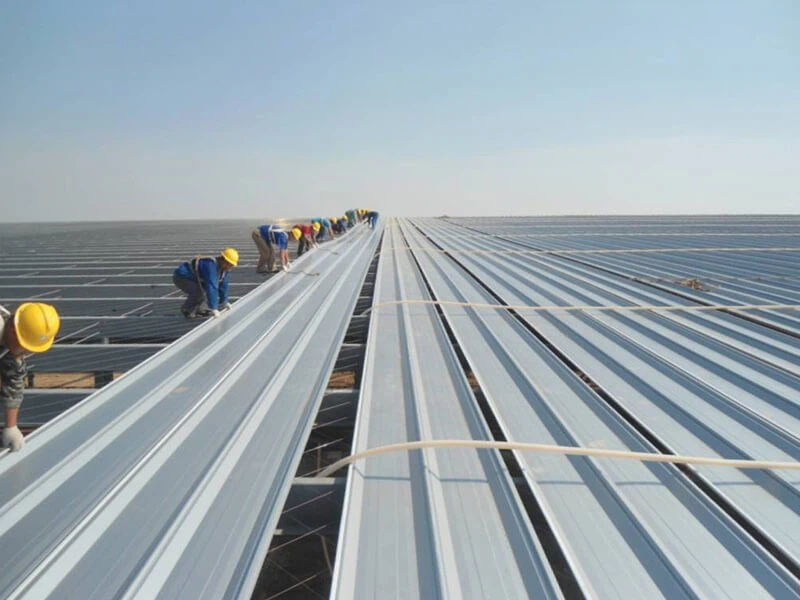
The signalman should be in a clear and visible position, and the communication between the signalman and the crane operator should be uninterrupted. If there are any changes in the hoisting situation, such as the load swinging or the crane position shifting slightly, the signalman should immediately give the appropriate signals to the operator to adjust the operation.
We also need to monitor the load during the hoisting process. The load should be balanced and stable. If the load starts to tilt or swing abnormally, the hoisting should be stopped immediately, and the cause should be investigated and corrected. For example, we might need to adjust the slings or the lifting points.
Regular inspections of the hoisting equipment should be carried out during the operation. This includes checking the wire ropes, hooks, and other vital parts for any signs of damage or wear. If any problems are found, the operation should be stopped, and the equipment should be repaired or replaced.
4. Post - operation Inspection and Summarization
After the hoisting operation is completed, we can't just pack up and leave. A post - operation inspection is necessary. We need to check the hoisting equipment again to make sure it's in good condition for the next use. This includes checking the mechanical parts, lubricating where necessary, and storing the equipment properly.
We also need to assess the hoisting process. Were there any problems or potential safety hazards during the operation? If so, we need to analyze the reasons and take corrective measures to prevent similar problems from happening in the future. For example, if the signal communication was not clear at some point, we might need to improve the communication methods or provide more training to the signalmen.
5. Related Steel Structure Products
As a steel structure supplier, we offer a wide range of high - quality steel structure products. Check out our Steel Structure Office Building, which is not only strong and durable but also can be customized according to your specific requirements. Our Modern House Steel Structure is perfect for those looking for a modern and efficient housing solution. And if you're interested in a smaller project, our Steel Structure Small House is a great option.
If you're in need of steel structure products or have any questions about steel structure hoisting operations, don't hesitate to contact us for procurement and further discussions. We're always here to provide you with the best solutions and services.
References
- Building Construction Safety Management Guidelines
- Crane Operation and Maintenance Manuals
So, that's all about the safety management measures for steel structure hoisting operations. I hope this information is helpful to you. Remember, safety first in every steel structure project!