

Hey there! I'm a supplier from a steel structure factory, and today I wanna chat about the installation methods for steel structure factory components. Steel structures have become super popular in the construction world because of their strength, durability, and flexibility. Whether it's a Steel Structure Warehouse Building, a Modern Steel Structure car Garage, or a Steel Structure Office Building, getting the installation right is crucial.
1. Bolt - Connection Installation
One of the most common ways to install steel structure components is through bolt - connections. It's like building a giant Lego set, but with heavy - duty steel parts. The great thing about bolt - connections is that they're relatively easy to assemble and disassemble.
First, we need to make sure all the holes in the steel components match up perfectly. This might involve some precise measuring and alignment. Once the holes are lined up, we insert the bolts. It's important to use the right size and type of bolts for the job. There are different grades of bolts, depending on the load - bearing requirements of the structure.
After inserting the bolts, we tighten the nuts. Usually, we use a torque wrench to ensure that the bolts are tightened to the correct specification. Over - tightening can damage the bolts or the steel components, while under - tightening can lead to a loose and unstable structure.
This method is great for pre - fabricated steel structures. We can manufacture the components in our factory with the bolt holes already drilled, and then transport them to the construction site for quick assembly. It saves a lot of time on - site and reduces the need for complex welding operations.
2. Welding Installation
Welding is another important installation method for steel structure components. It creates a very strong and permanent connection between the steel parts. When we weld two pieces of steel together, we're essentially melting them and fusing them into one solid piece.
There are different types of welding techniques, such as arc welding and gas - shielded welding. Arc welding uses an electric arc to generate heat, while gas - shielded welding uses a shielding gas to protect the weld from oxidation.
Before we start welding, we need to clean the surfaces of the steel components to be welded. Any dirt, rust, or paint can affect the quality of the weld. We also need to position the components accurately and use clamps or fixtures to hold them in place.
During the welding process, it's important to control the heat input. Too much heat can cause the steel to warp or become brittle, while too little heat can result in a weak weld. Welding requires skilled welders who are trained to follow strict safety and quality standards.
Welding is often used in situations where a high - strength and rigid connection is required, such as in the columns and beams of a large - scale steel structure factory. However, it also has some drawbacks. Welding on - site can be time - consuming and is affected by weather conditions. It also requires proper ventilation to remove the fumes generated during the welding process.
3. Riveting Installation
Riveting was once a very popular method for joining steel components, and it still has its uses today. A rivet is a short metal pin that is inserted through holes in two or more steel parts and then deformed on one or both ends to hold the parts together.

The process of riveting starts with drilling holes in the steel components. The holes need to be of the right size to fit the rivets properly. Then, we insert the rivets into the holes. Next, we use a rivet gun or a hammer to deform the end of the rivet, creating a head that holds the parts tightly together.
Riveting has some advantages. It provides a reliable connection that can withstand vibration and shock. It's also a relatively simple process that doesn't require a lot of specialized equipment. However, riveting is labor - intensive, and it's not as strong as welding in some cases. It's often used in applications where aesthetics are important, as the rivet heads can add a decorative touch to the steel structure.
4. On - Site Assembly and Off - Site Prefabrication
When it comes to installing steel structure factory components, we can choose between on - site assembly and off - site prefabrication.
Off - site prefabrication is becoming more and more popular. We manufacture the steel components in our factory under controlled conditions. This allows us to ensure high - quality production and precise manufacturing. The components are then transported to the construction site for assembly. Prefabrication can significantly reduce the construction time on - site. For example, a large Steel Structure Warehouse Building can be assembled much faster if the components are pre - fabricated.
On - site assembly, on the other hand, gives us more flexibility. We can make adjustments to the components on - site according to the actual construction conditions. However, it also requires more labor and time on - site. It's often used for smaller projects or when the site conditions are complex and difficult to predict.
5. Considerations for Installation
No matter which installation method we choose, there are some important considerations.
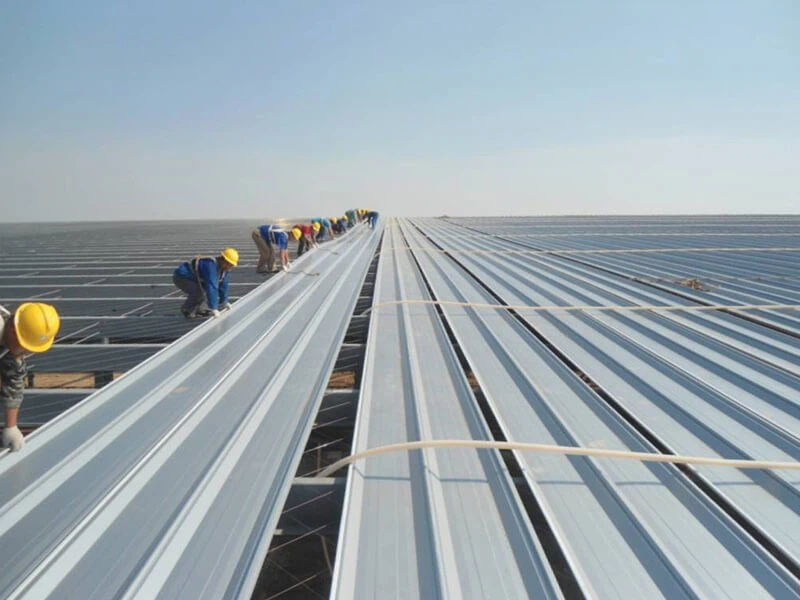
First, safety is always the top priority. We need to provide proper safety equipment for the workers, such as helmets, safety glasses, and harnesses. The construction site should also be well - organized to prevent accidents.
Second, quality control is crucial. We need to inspect the steel components before installation to make sure they meet the design requirements. During the installation process, we should also conduct regular inspections to ensure that the installation is carried out correctly.
Third, we need to consider the weather conditions. For example, welding should not be done in rainy or windy conditions, as it can affect the quality of the weld. Bolt - connections and riveting can be more weather - resistant, but we still need to protect the components from corrosion.
Conclusion
In conclusion, there are several installation methods for steel structure factory components, including bolt - connections, welding, riveting, and a combination of on - site assembly and off - site prefabrication. Each method has its own advantages and disadvantages, and the choice depends on the specific requirements of the project, such as the size of the structure, the load - bearing capacity, and the construction schedule.
If you're planning a project that involves a Steel Structure Warehouse Building, a Modern Steel Structure car Garage, or a Steel Structure Office Building, I'd love to have a chat with you. We can discuss the best installation methods for your project and provide high - quality steel structure components. Feel free to reach out for more information and to start the procurement negotiation process.
References
- "Steel Structures: Design and Practice" by S. K. Duggal
- "Construction Engineering and Management" by Frank R. D. Brown