

Hey there! As a supplier of steel structure buildings, I've seen firsthand the unique challenges and opportunities that come with designing structures in windy areas. In this blog post, I'll share some key design considerations to keep in mind when working on steel structure projects in these high - wind environments.
1. Wind Load Calculation
The first and most crucial step is accurately calculating the wind loads that the building will experience. Wind loads are influenced by several factors, such as the building's location, height, shape, and the local wind climate. For example, coastal areas usually have stronger and more unpredictable winds compared to inland regions.
We use advanced software and industry - recognized standards to calculate wind loads. The wind speed data from local meteorological stations is a valuable resource. But it's not just about the average wind speed; we also consider extreme wind events like hurricanes or cyclones. Once we have a clear understanding of the wind loads, we can design the steel structure to withstand these forces.
2. Structural Configuration
The shape and layout of the building play a huge role in how it interacts with the wind. A well - designed structural configuration can reduce wind resistance and prevent excessive wind forces from acting on the building.
- Streamlined Shapes: Buildings with smooth, rounded edges tend to perform better in windy conditions than those with sharp corners. Sharp corners can cause turbulence, which increases wind pressure on the structure. For instance, a circular or oval - shaped steel structure can deflect the wind more effectively than a square - shaped one.
- Openings and Ventilation: Proper placement of openings, such as windows and doors, is essential. Strategic ventilation can help equalize the pressure inside and outside the building, reducing the risk of wind - induced damage. However, these openings need to be designed with appropriate wind - resistant glazing and frames.
3. Foundation Design
A strong foundation is the backbone of any steel structure building, especially in windy areas. The foundation must be able to anchor the building securely to the ground and resist the uplift and lateral forces caused by the wind.
- Deep Foundations: In areas with high wind loads, deep foundation systems like piles or caissons may be required. These foundations can transfer the wind - induced loads to deeper, more stable soil layers.
- Foundation Anchorage: The connection between the steel structure and the foundation is critical. We use high - strength bolts and welding techniques to ensure a rigid and secure connection, preventing the building from being lifted or shifted by the wind.
4. Material Selection
The choice of steel materials can significantly impact the building's performance in windy conditions.
- High - Strength Steel: Using high - strength steel can reduce the weight of the structure while maintaining its strength. This is beneficial because a lighter building experiences less wind resistance. Additionally, high - strength steel has better ductility, which allows it to deform slightly under extreme wind loads without failing.
- Corrosion Resistance: In coastal or high - humidity windy areas, corrosion can weaken the steel structure over time. We select steel materials with appropriate corrosion - resistant coatings, such as galvanized steel, to protect the structure from the elements.
5. Structural Bracing
Bracing systems are essential for enhancing the stability of steel structure buildings in windy areas.
- Diagonal Bracing: Diagonal braces are commonly used to resist lateral wind forces. They can be installed in the walls or frames of the building to create a triangulated structure, which is very effective in distributing the wind loads.
- Knee Bracing: Knee braces are another type of bracing that can be used at the corners or joints of the building. They help to transfer the wind loads from the upper parts of the structure to the foundation.
6. Building Envelope
The building envelope, including the walls, roof, and facade, needs to be designed to withstand the wind.
- Roof Design: A pitched roof is often a better choice in windy areas than a flat roof. The slope of the pitched roof allows the wind to flow over it more easily, reducing the uplift forces. Additionally, we use strong roofing materials and proper fastening methods to prevent the roof from being blown off.
- Wall Systems: The walls of the building should be able to resist the wind pressure. We use steel panel systems that are specifically designed for high - wind applications. These panels are connected securely to the steel frame to provide a continuous barrier against the wind.
Our Products and Their Suitability for Windy Areas
At our company, we offer a range of steel structure buildings that are designed with these wind - related considerations in mind.
- Steel Structure Automatic Garage: Our automatic garages are built with high - strength steel and a streamlined design. The foundation is carefully engineered to resist wind uplift, and the doors are equipped with wind - resistant features.
- Structural Steel Building: Our structural steel buildings are versatile and can be customized to meet the specific wind load requirements of different locations. The bracing systems are optimized to ensure maximum stability in windy conditions.
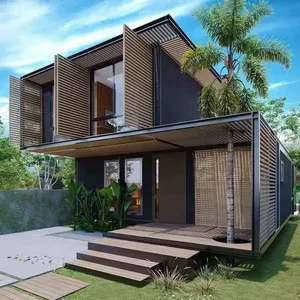
- Steel Structure Small House: Our small houses are designed with a combination of energy - efficiency and wind resistance. The building envelope is constructed with high - quality materials to protect against the wind, and the foundation is designed to provide a solid base.
Conclusion
Designing steel structure buildings in windy areas requires a comprehensive approach that takes into account wind load calculation, structural configuration, foundation design, material selection, bracing systems, and the building envelope. By carefully considering these factors, we can ensure that our steel structure buildings are safe, durable, and able to withstand the challenges of high - wind environments.
If you're interested in purchasing a steel structure building for a windy area, we'd love to have a chat with you. Whether you need a garage, a commercial building, or a small house, we have the expertise and products to meet your needs. Contact us to start the procurement and negotiation process, and let's work together to build a wind - resistant steel structure that suits your requirements.

References
- "Minimum Design Loads for Buildings and Other Structures" by American Society of Civil Engineers (ASCE).
- "Steel Construction Manual" by American Institute of Steel Construction (AISC).