

As a steel structure supplier, I've witnessed firsthand the financial challenges that come with steel structure projects. Whether it's a Modern Steel Structurecar Garage, a Steel Structure Storage Warehouse, or a Steel Structure Worker House, cost - control is always a top priority for clients. In this blog, I'll share some effective cost - saving strategies for steel structure projects.
1. Design Optimization
The design phase is where the foundation for cost - saving is laid. A well - designed steel structure can significantly reduce material usage and construction time.

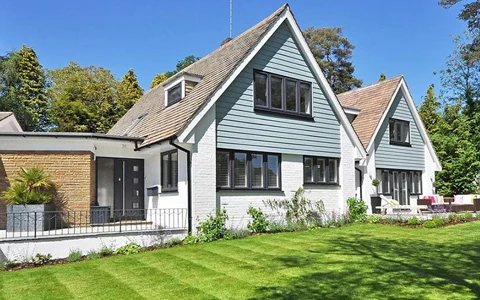
- Simplify the Structural Design: Complex geometries and irregular shapes often require more steel and labor to fabricate and install. By opting for simple, rectangular or square designs, you can minimize waste and reduce the overall cost. For example, a straightforward rectangular storage warehouse design will generally be more cost - effective than a circular or multi - faceted one.
- Use Standardized Components: Standardized steel components are readily available in the market, which means they are often cheaper and can be produced more quickly. Instead of custom - made parts that require special manufacturing processes, choose standard beams, columns, and connections. This not only reduces the cost of materials but also shortens the lead time for production.
- Optimize the Structural System: Work with a qualified structural engineer to select the most appropriate structural system for your project. For instance, a portal frame structure is a popular choice for low - rise industrial buildings due to its simplicity and cost - effectiveness. It uses fewer columns and beams compared to other systems, resulting in less steel usage and lower costs.
2. Material Selection and Procurement
The choice of materials and the way they are procured can have a significant impact on the project cost.
- Choose the Right Steel Grade: Different steel grades have different properties and prices. For projects where high strength is not a critical requirement, using a lower - grade steel can save a substantial amount of money. However, it's important to ensure that the selected steel grade meets the structural requirements of the project.
- Source Materials Locally: Buying steel materials from local suppliers can reduce transportation costs and lead times. Local suppliers are also more likely to offer better prices and more flexible delivery options. Additionally, sourcing locally can support the local economy and reduce the carbon footprint associated with long - distance transportation.
- Buy in Bulk: If your project requires a large quantity of steel, buying in bulk can often result in significant cost savings. Many suppliers offer volume discounts for large orders. However, make sure you have proper storage facilities to store the materials safely until they are needed on the construction site.
- Consider Recycled Steel: Recycled steel is not only environmentally friendly but also often cheaper than new steel. It has the same structural properties as new steel and can be used in most steel structure projects. By using recycled steel, you can reduce the cost of materials and contribute to sustainable construction practices.
3. Construction Management
Efficient construction management can help minimize labor costs, reduce waste, and prevent delays, all of which contribute to cost savings.
- Plan the Construction Schedule Carefully: A well - planned construction schedule can ensure that all activities are carried out in a timely and efficient manner. This reduces the amount of time workers are on the site, which in turn reduces labor costs. Use project management software to create a detailed schedule and monitor the progress of the project.
- Improve Labor Productivity: Provide proper training and supervision to the construction workers to improve their productivity. Well - trained workers are more likely to complete tasks quickly and accurately, reducing the amount of rework and wasted materials. Additionally, consider using labor - saving construction techniques and equipment to increase efficiency.
- Reduce Waste on the Construction Site: Implement a waste management plan to minimize the amount of steel waste generated during construction. This can include recycling scrap steel, reusing materials whenever possible, and properly disposing of waste. By reducing waste, you not only save on the cost of materials but also contribute to a more sustainable construction process.
- Pre - fabrication and Modular Construction: Pre - fabricating steel components in a factory environment can improve quality control and reduce construction time on the site. Modular construction, where entire sections of the steel structure are pre - assembled off - site and then transported to the site for installation, can also save time and money. This approach reduces the amount of on - site labor required and minimizes the impact of weather conditions on the construction schedule.
4. Quality Control and Risk Management
Ensuring quality and managing risks can prevent costly mistakes and delays during the project.
- Implement a Quality Control System: A comprehensive quality control system is essential to ensure that the steel structure meets the required standards. This includes inspecting the materials during procurement, monitoring the fabrication process, and conducting on - site inspections during construction. By detecting and correcting any quality issues early, you can avoid costly rework and delays.
- Manage Project Risks: Identify potential risks that could affect the project cost, such as changes in design, unforeseen site conditions, and delays in material delivery. Develop a risk management plan to mitigate these risks. For example, include contingency clauses in the contracts with suppliers and contractors to cover any unexpected costs.
- Get Insurance Coverage: Obtain appropriate insurance coverage for the project to protect against potential losses due to accidents, natural disasters, or other unforeseen events. This can provide financial security and prevent unexpected costs from derailing the project budget.
5. Post - Construction Considerations
Even after the steel structure is completed, there are still opportunities to save costs.
- Maintenance Planning: Develop a regular maintenance plan for the steel structure to ensure its long - term durability. Proper maintenance can prevent corrosion and other structural problems, which can extend the lifespan of the structure and reduce the need for costly repairs in the future.
- Energy Efficiency: Incorporate energy - efficient features into the design of the steel structure, such as insulation, energy - efficient lighting, and ventilation systems. This can reduce the energy consumption of the building over its lifespan, resulting in significant cost savings on utility bills.
In conclusion, implementing these cost - saving strategies can help you achieve a more affordable and efficient steel structure project. Whether you're building a Modern Steel Structurecar Garage, a Steel Structure Storage Warehouse, or a Steel Structure Worker House, careful planning, smart material selection, efficient construction management, and proper risk management are key to keeping the costs under control.
If you're interested in starting a steel structure project and want to discuss how we can help you save costs, please feel free to reach out. We're here to provide you with professional advice and high - quality steel structure solutions.
References
- "Steel Construction Manual" by the American Institute of Steel Construction.
- "Cost - Effective Design of Steel Structures" by various authors in the Journal of Construction Cost Management.
- "Sustainable Steel Construction: Principles and Practices" by industry experts in the field of construction.