

Managing the construction schedule of a steel structure building project is a complex yet crucial task. As a steel structure building supplier, I have witnessed firsthand the challenges and rewards that come with ensuring a project stays on track. In this blog post, I will share some key strategies and insights on how to effectively manage the construction schedule of a steel structure building project.
1. Pre - project Planning
Detailed Project Scope Definition
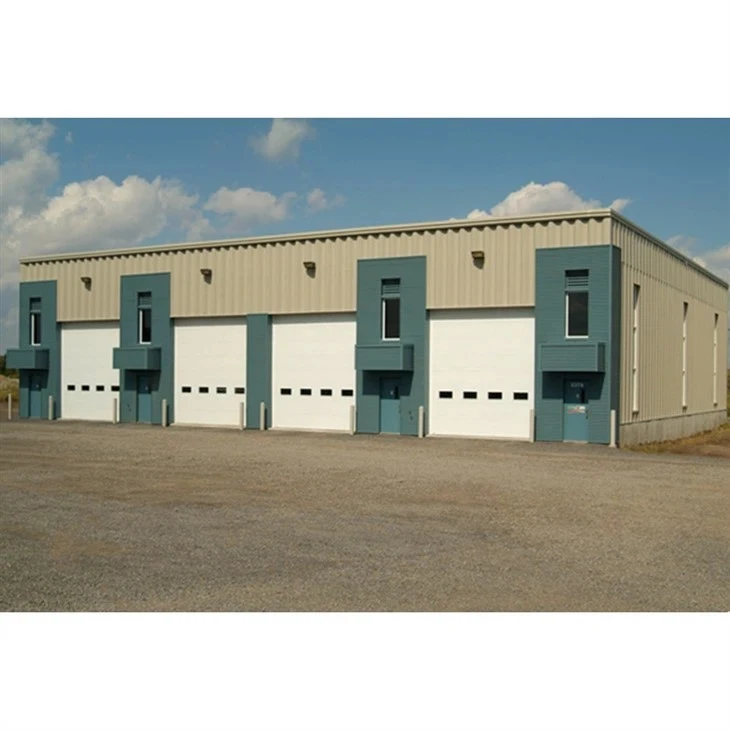
Before any construction work begins, it is essential to have a clear and detailed understanding of the project scope. This includes the size of the steel structure building, its intended use (such as a Modern House Steel Structure, a Structural Steel Frame House, or a Steel Structure Warehouse Building), the specific design requirements, and any special features or components. A well - defined scope helps in setting realistic schedules and avoiding scope creep, which can significantly delay the project.

Site Assessment
Conduct a thorough site assessment early in the planning phase. Evaluate the topography, soil conditions, access to utilities, and any potential environmental or regulatory issues. For example, if the soil is unstable, additional foundation work may be required, which can impact the schedule. Understanding these factors in advance allows for proper planning and allocation of time for site preparation activities.
Resource Allocation
Determine the necessary resources for the project, including labor, materials, and equipment. Identify the number of workers required at each stage of construction, their skillsets, and the availability of subcontractors if needed. Ensure a steady supply of steel materials by establishing reliable suppliers and creating a procurement schedule. Also, arrange for the appropriate construction equipment, such as cranes and welding machines, and plan for their delivery and maintenance during the project.
2. Schedule Development
Critical Path Method (CPM)
Use the Critical Path Method to develop the project schedule. Identify the sequence of activities and determine the critical path, which is the longest series of dependent activities that determines the minimum project duration. For a steel structure building project, activities such as steel fabrication, transportation, and on - site assembly are often on the critical path. By focusing on these critical activities, you can prioritize resources and efforts to ensure they are completed on time.
Milestone Setting
Establish clear milestones throughout the project. Milestones are significant events or deliverables that mark the completion of a major phase of the project. For example, the completion of steel fabrication, the installation of the main steel frame, and the final inspection can be set as milestones. Milestones help in tracking progress, communicating with stakeholders, and providing a sense of achievement for the project team.
Contingency Planning
Include contingency time in the schedule to account for unexpected events or delays. For instance, bad weather can halt on - site construction, or there may be unforeseen issues with the steel materials. Allocate a reasonable amount of buffer time for each activity or phase of the project, especially those on the critical path. This contingency time can help absorb minor delays without causing the entire project to go off - schedule.
3. Communication and Coordination
Stakeholder Communication
Maintain open and regular communication with all stakeholders, including the client, architects, engineers, contractors, and suppliers. Provide them with regular updates on the project schedule, progress, and any potential issues. For example, if there is a delay in steel material delivery, inform the client and the construction team immediately so that alternative plans can be developed. Effective communication helps in managing expectations and avoiding misunderstandings that could lead to schedule disruptions.
Team Coordination
Foster a collaborative environment among the project team members. Ensure that all workers, from the steel fabricators to the on - site installers, understand their roles and responsibilities and how their work fits into the overall project schedule. Hold regular team meetings to discuss progress, address any problems, and coordinate activities. For example, the fabrication team should communicate with the transportation team to ensure that the fabricated steel components are ready for timely delivery to the construction site.
Supplier Coordination
Work closely with your steel suppliers to ensure a smooth flow of materials. Provide them with accurate project timelines and specifications so that they can plan their production accordingly. Maintain regular contact to track the progress of material fabrication and address any potential supply issues. For instance, if there is a change in the design that affects the steel components, communicate this to the supplier as soon as possible to minimize delays.
4. Monitoring and Control
Progress Tracking
Regularly monitor the progress of the project against the schedule. Use project management software to track the completion of activities, the utilization of resources, and the achievement of milestones. Compare the actual progress with the planned schedule and identify any variances. If an activity is behind schedule, analyze the reasons and take corrective actions immediately.
Issue Resolution
When issues arise that affect the schedule, such as equipment breakdowns or labor shortages, address them promptly. Develop contingency plans to overcome these challenges. For example, if a key piece of equipment breaks down, have a backup plan in place, such as renting or borrowing a replacement. If there is a labor shortage, consider hiring additional workers or adjusting the work schedule to optimize the available labor.
Change Management
Manage any changes to the project scope, design, or schedule effectively. Any change request should go through a formal change management process, which includes evaluating the impact on the schedule, cost, and quality. If a change is approved, update the project schedule accordingly and communicate the changes to all stakeholders.
5. Quality Control
Quality Assurance in Fabrication
Ensure high - quality steel fabrication by implementing strict quality control measures at the fabrication shop. Conduct regular inspections of the fabricated steel components to check for dimensions, weld quality, and surface finish. Defective components can lead to rework and delays during on - site assembly. By catching and correcting issues early in the fabrication process, you can prevent schedule disruptions.
On - site Quality Checks
Perform on - site quality checks during the installation of the steel structure. Verify that the steel components are installed correctly, aligned properly, and securely fastened. Any quality issues found on - site should be addressed immediately to avoid having to disassemble and reinstall parts, which can be time - consuming.
6. Risk Management
Risk Identification
Identify potential risks that could affect the construction schedule of the steel structure building project. These risks can include weather conditions, material shortages, labor strikes, and design changes. Conduct a risk assessment to evaluate the likelihood and impact of each risk.
Risk Mitigation
Develop strategies to mitigate the identified risks. For weather - related risks, have a weather monitoring system in place and plan for alternative work activities during bad weather. To address material shortages, maintain a safety stock of critical steel components or have multiple suppliers. For labor - related risks, establish good relationships with workers and subcontractors and have contingency plans for labor shortages.
Conclusion
Managing the construction schedule of a steel structure building project requires careful planning, effective communication, and proactive management. By following the strategies outlined above, you can increase the likelihood of completing the project on time and within budget. As a steel structure building supplier, we are committed to providing high - quality products and services to support your construction projects. If you are interested in our steel structure building solutions, we invite you to contact us for procurement and further discussions.
References
- Project Management Institute. A Guide to the Project Management Body of Knowledge (PMBOK Guide).
- Construction Industry Institute. Best Practices for Construction Project Scheduling.
- Steel Construction Institute. Design and Construction of Steel Structures.