

Hey there! As a supplier of H Steel Beam, I've got tons of hands - on experience with these versatile steel structures. Today, I'm gonna walk you through the step - by - step process of installing an H Steel Beam. Whether you're a DIY enthusiast or a professional builder, this guide will help you get the job done right.
Step 1: Planning and Preparation
Before you even think about lifting that H Steel Beam, you need to have a solid plan in place. First off, measure the area where the beam will be installed. Make sure you've got accurate dimensions for the length, height, and width of the space. This is crucial because an ill - fitting beam can lead to all sorts of problems down the line.
You'll also need to consider the load that the H Steel Beam will be supporting. Is it for a residential building, a commercial structure, or maybe a bridge? Different applications require different beam sizes and strengths. Check out our H Steel Beam page to find the right beam for your project.
Once you've determined the right beam, gather all the necessary tools. You'll need a crane or a hoist to lift the beam, a level to ensure it's straight, welding equipment (if you're going to weld the beam in place), bolts and nuts, and safety gear like hard hats, safety glasses, and steel - toed boots.
Step 2: Site Preparation
The installation site needs to be clean and free of any debris. Remove any obstacles that could get in the way during the installation process. If the beam is going to be installed on a concrete foundation, make sure the foundation is in good condition. Check for cracks or any signs of damage. If there are any issues, you'll need to repair them before proceeding.
Mark the location where the beam will be placed. Use chalk or a marker to clearly indicate the position of the beam on the foundation or the supporting structure. This will help you align the beam accurately during the installation.
Step 3: Lifting the H Steel Beam
Lifting an H Steel Beam is no easy task. You need to use a proper lifting device, like a crane or a hoist. Make sure the lifting equipment is rated to handle the weight of the beam. Attach the lifting slings or chains to the beam at the designated lifting points. These points are usually marked on the beam by the manufacturer.
Before lifting the beam, double - check that all the connections are secure. Slowly lift the beam off the ground, keeping it level. Use tag lines to control the movement of the beam and prevent it from swinging. As you lift the beam, make sure it's aligned with the marked position on the installation site.
Step 4: Positioning and Alignment
Once the beam is in the air, carefully lower it into position. Use a level to ensure that the beam is perfectly horizontal. Adjust the position of the beam as needed until it's aligned with the marked location. If you're installing multiple beams, make sure they are evenly spaced and parallel to each other.

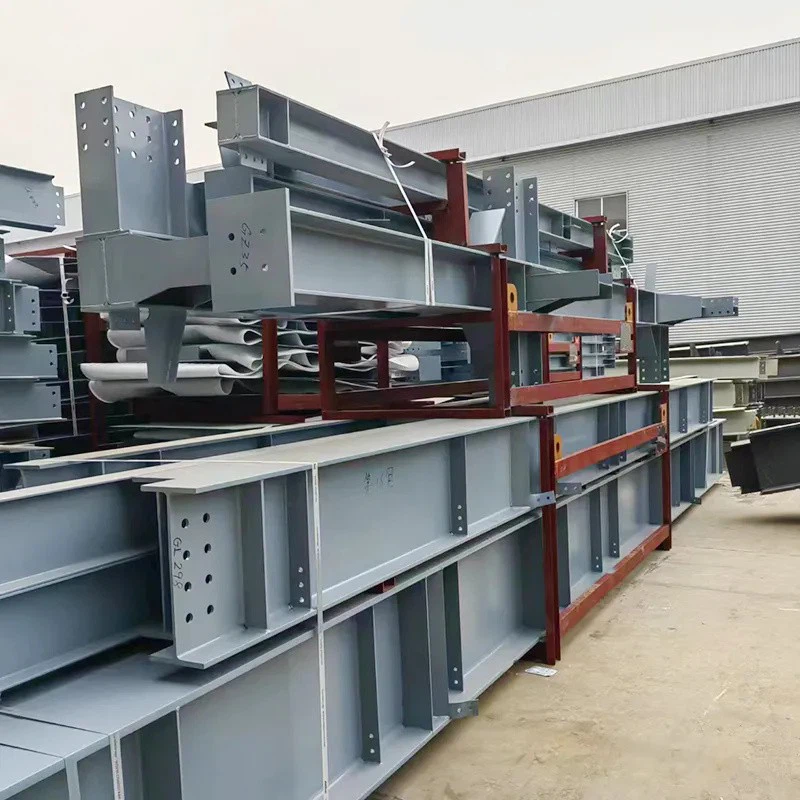
If the beam is going to be bolted in place, insert the bolts through the pre - drilled holes in the beam and the supporting structure. Tighten the nuts using a wrench. Make sure the bolts are tightened evenly to prevent any uneven stress on the beam.
Step 5: Welding (if required)
In some cases, you may need to weld the H Steel Beam to the supporting structure. Welding provides a strong and permanent connection. However, welding requires special skills and equipment. If you're not experienced in welding, it's best to hire a professional welder.
Before welding, clean the surfaces of the beam and the supporting structure to remove any rust, paint, or dirt. This will ensure a good weld. Use the appropriate welding rods and follow the welding procedure recommended by the manufacturer. Make sure to wear proper welding gear, including a welding helmet, gloves, and a welding jacket.
Step 6: Final Checks
After the beam is installed, do a final inspection. Check the alignment of the beam again to make sure it's still straight. Check the tightness of the bolts or the quality of the welds. Look for any signs of damage or stress on the beam.
Test the load - bearing capacity of the beam if possible. This can be done by applying a small load to the beam and monitoring its performance. If there are any issues, address them immediately.
Step 7: Safety Considerations
Throughout the entire installation process, safety should be your top priority. Make sure all workers are wearing the appropriate safety gear. Keep the work area clear of unauthorized personnel. Follow all safety regulations and guidelines.
If you're using a crane or other heavy equipment, make sure the operators are properly trained and certified. Check the equipment regularly for any signs of wear or damage.
Why Choose Our H Steel Beams?
At our company, we offer high - quality H Beam that are made from the best materials. Our beams are designed to meet the highest industry standards and can withstand heavy loads. We have a wide range of beam sizes and specifications to choose from, so you can find the perfect beam for your project.
We also provide excellent customer service. Our team of experts is always ready to answer your questions and help you with your project. Whether you need advice on beam selection or installation, we're here to assist you.
Contact Us for Your H Steel Beam Needs
If you're interested in purchasing H Steel Beams for your next project, don't hesitate to get in touch with us. We can provide you with detailed product information, pricing, and delivery options. Our goal is to make your project as smooth and successful as possible. Just reach out to us, and we'll start the conversation about how our H Steel Beams can meet your requirements.
References
- Steel Construction Manual, American Institute of Steel Construction
- Safety Guidelines for Steel Beam Installation, Occupational Safety and Health Administration