

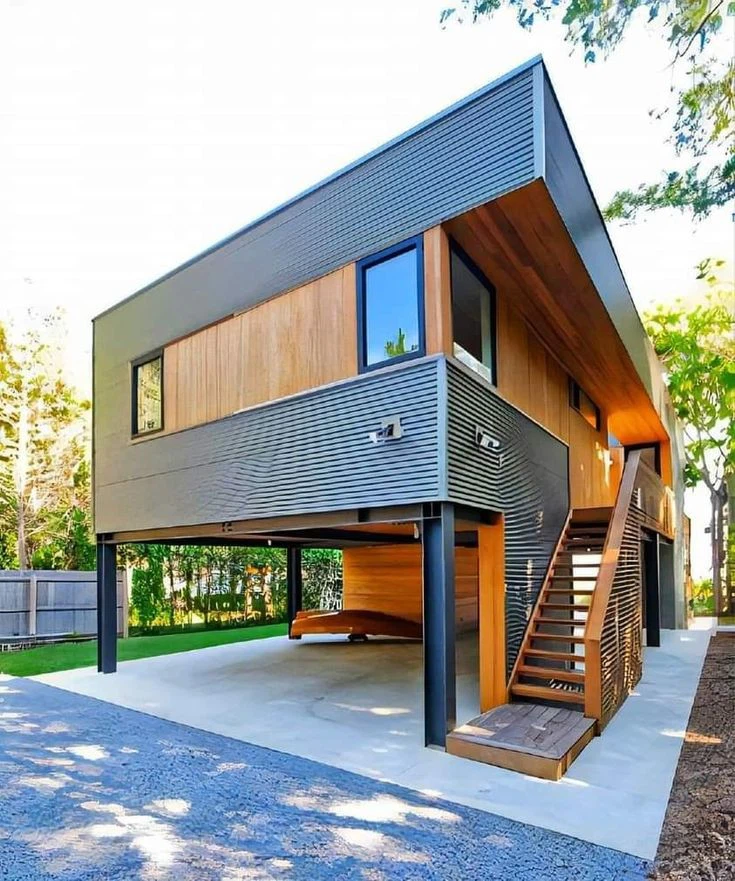
In the realm of industrial construction, steel structures are the backbone of numerous projects, from Steel Structure Small House to large - scale Structural Steel Building and [Steel Structure Factory Building](https://www. ab.com/steel-structure/steel-structure-factory-building.html). As a seasoned steel structure supplier, I've witnessed firsthand the challenges that steel structures face, especially in chemical environments. Corrosion is not just a cosmetic issue; it can compromise the structural integrity, reduce the lifespan of the building, and lead to significant financial losses. In this blog, I'll share some effective strategies to enhance the corrosion resistance of steel structures in chemical settings.
Understanding the Corrosion Mechanism in Chemical Environments
Before delving into the solutions, it's crucial to understand how corrosion occurs in chemical environments. Steel, primarily composed of iron, reacts with various chemicals present in the environment. For instance, in acidic environments, the hydrogen ions (H⁺) in the acid react with the iron (Fe) in the steel, leading to the formation of iron ions (Fe²⁺) and hydrogen gas (H₂). The chemical reaction can be represented as: Fe + 2H⁺ → Fe²⁺+ H₂.
In alkaline environments, although the corrosion rate is generally lower than in acidic ones, certain chemicals can still cause corrosion. For example, in the presence of strong alkalis and oxygen, iron can form iron hydroxides, which gradually break down and lead to corrosion.
In addition to acids and alkalis, other chemicals such as salts, oxidizing agents, and reducing agents can also accelerate the corrosion process. Salts, especially chloride salts, can penetrate the protective oxide layer on the steel surface, exposing the underlying metal to further corrosion. Oxidizing agents can increase the rate of oxidation of iron, while reducing agents can change the redox potential of the environment, promoting corrosion.
Surface Treatment
One of the most common and effective ways to improve the corrosion resistance of steel structures is through surface treatment. There are several surface treatment methods available, each with its own advantages and limitations.
Galvanizing
Galvanizing is the process of coating steel with a layer of zinc. Zinc is more electro - chemically active than iron, which means that in the presence of an electrolyte, zinc will corrode preferentially to protect the underlying steel. The zinc coating acts as a sacrificial anode, providing cathodic protection to the steel.
There are two main types of galvanizing: hot - dip galvanizing and electro - galvanizing. Hot - dip galvanizing involves immersing the steel structure in a bath of molten zinc at a temperature of around 450°C. This process forms a thick, durable zinc coating that can provide long - term corrosion protection. Electro - galvanizing, on the other hand, uses an electric current to deposit a thin layer of zinc onto the steel surface. Electro - galvanizing is suitable for applications where a thinner coating is required, but it may not provide as long - lasting protection as hot - dip galvanizing.
Painting
Painting is another widely used surface treatment method. A high - quality paint system can provide a physical barrier between the steel surface and the corrosive environment. When selecting a paint for steel structures in chemical environments, it's important to choose a paint that is resistant to the specific chemicals present. For example, epoxy paints are known for their excellent chemical resistance and adhesion, making them suitable for use in industrial settings.
The painting process usually involves surface preparation, such as cleaning, sandblasting, or priming, followed by the application of one or more coats of paint. Proper surface preparation is crucial to ensure good adhesion of the paint and long - term performance.
Coating with Organic and Inorganic Materials
In addition to painting, other organic and inorganic materials can be used to coat steel structures. For example, polymer coatings, such as polyurethane and polyurea, can provide excellent corrosion resistance and abrasion resistance. Inorganic coatings, such as ceramic coatings, can offer high - temperature resistance and chemical stability.
Material Selection
The choice of steel material can also have a significant impact on the corrosion resistance of the structure. Different types of steel have different chemical compositions and microstructures, which affect their corrosion behavior.
Stainless Steel
Stainless steel is a popular choice for applications in chemical environments due to its high corrosion resistance. Stainless steel contains a minimum of 10.5% chromium, which forms a thin, passive oxide layer on the surface. This oxide layer is self - healing and provides excellent protection against corrosion.

There are several grades of stainless steel available, each with its own properties and applications. For example, austenitic stainless steels, such as 304 and 316, are widely used in general - purpose applications due to their good corrosion resistance, formability, and weldability. Ferritic stainless steels are more suitable for applications where high - temperature resistance and low - cost are required.
Weathering Steel
Weathering steel, also known as corten steel, is a type of steel that forms a protective rust - like layer on its surface when exposed to the atmosphere. This layer, known as patina, is dense and adherent, which can slow down the further corrosion process. Weathering steel is often used in outdoor structures, such as bridges and buildings, where the aesthetic appearance of the rust - like patina is acceptable.
However, in chemical environments, the performance of weathering steel may be limited. The patina may not be able to provide sufficient protection against certain chemicals, especially strong acids and salts. Therefore, in highly corrosive chemical environments, weathering steel may need to be combined with other corrosion protection methods.
Design Considerations
Proper design of steel structures can also contribute to improved corrosion resistance. Here are some design considerations:
Avoiding Crevices and Pockets
Crevices and pockets in steel structures can trap moisture and chemicals, creating an environment conducive to corrosion. For example, in lap joints or bolted connections, crevices can form between the mating surfaces. To avoid this, designers should use continuous welds instead of lap joints whenever possible. If lap joints are necessary, they should be sealed with a suitable sealant to prevent the ingress of moisture and chemicals.
Drainage Design
Good drainage is essential to prevent the accumulation of water and chemicals on the steel structure. Structures should be designed with slopes and drains to ensure that water and chemicals can flow away quickly. For example, in a steel roof, proper slope design and the installation of gutters and downspouts can effectively prevent water from pooling on the roof surface, reducing the risk of corrosion.
Isolation from the Corrosive Environment
In some cases, it may be possible to isolate the steel structure from the corrosive environment. For example, in a chemical plant, steel structures can be placed in a sealed enclosure or protected by a barrier such as a plastic film or a fiberglass cover. This can reduce the exposure of the steel structure to corrosive chemicals, thereby improving its corrosion resistance.
Environmental Control
Controlling the environment around the steel structure can also help to reduce the corrosion rate. In a chemical plant, for example, the humidity, temperature, and chemical concentration in the air can be controlled.
Reducing the humidity can slow down the corrosion process, as moisture is one of the key factors in the corrosion reaction. This can be achieved through the use of dehumidifiers or proper ventilation systems.
Temperature control is also important. High temperatures can increase the rate of chemical reactions, including corrosion. Therefore, in areas where the temperature is high, cooling systems can be installed to maintain a lower temperature.
Controlling the chemical concentration in the air can be more challenging, but it can be achieved through the use of air purification systems, such as scrubbers and filters. These systems can remove corrosive chemicals from the air, reducing the exposure of the steel structure to these chemicals.
Monitoring and Maintenance
Even with the best surface treatment, material selection, design, and environmental control, it's still necessary to monitor the corrosion status of steel structures regularly. This can be done through visual inspection, non - destructive testing methods such as ultrasonic testing and magnetic particle testing, and electrochemical methods such as corrosion potential monitoring.
Based on the monitoring results, appropriate maintenance measures can be taken. For example, if the paint coating is damaged, it should be repaired or reapplied in a timely manner. If the galvanized layer is corroded, additional protection measures such as painting or re - galvanizing may be required.
Conclusion
Improving the corrosion resistance of steel structures in chemical environments is a complex task that requires a comprehensive approach. By understanding the corrosion mechanism, applying appropriate surface treatment methods, selecting the right materials, considering design factors, controlling the environment, and conducting regular monitoring and maintenance, we can significantly enhance the corrosion resistance of steel structures, extend their service life, and reduce the overall cost of ownership.
As a steel structure supplier, I'm committed to providing high - quality steel structures with excellent corrosion resistance. Whether you're planning to build a Steel Structure Small House, a Structural Steel Building, or a Steel Structure Factory Building, I can offer you professional advice and solutions to meet your specific needs. If you're interested in our products and services, please feel free to contact us for further discussion and procurement negotiation.
References
- Jones, D. A. (1992). Principles and Prevention of Corrosion. Prentice Hall.
- Uhlig, H. H., & Revie, R. W. (1985). Corrosion and Corrosion Control: An Introduction to Corrosion Science and Engineering. Wiley - Interscience.
- Fontana, M. G. (1986). Corrosion Engineering. McGraw - Hill.