

Evaluating the economic benefits of a steel structure building project is a multifaceted process that requires a comprehensive understanding of various factors. As a supplier of [Steel Structure Building], I have witnessed firsthand the significance of conducting a thorough economic assessment before embarking on any project. In this blog, I will delve into the key aspects to consider when evaluating the economic benefits of a steel structure building project.
Initial Investment
The initial investment is often the first consideration when evaluating a project's economic viability. Steel structure buildings typically have a lower upfront cost compared to traditional construction methods. The prefabrication process allows for efficient manufacturing, reducing labor costs and construction time. Additionally, the lightweight nature of steel reduces foundation requirements, further lowering costs. For instance, a [Steel Structural Workshop] can be erected more quickly and at a lower cost than a workshop built with traditional materials. The ability to source steel components in bulk also provides cost savings, making it an attractive option for large - scale projects.
When comparing the initial investment of a steel structure building with other construction types, it's important to consider the long - term implications. While the upfront cost may be lower, the quality and durability of steel structures can lead to significant savings over time. Steel is resistant to many environmental factors such as rot, pests, and fire, which reduces the need for frequent repairs and replacements.
Construction Time
Time is money in the construction industry, and steel structure buildings offer a significant advantage in terms of construction time. The prefabrication of steel components in a controlled factory environment allows for precise manufacturing and quick assembly on - site. This reduces the overall construction schedule, enabling the project to be completed faster and the building to be put into use earlier.
For example, a [Steel Structure Warehouse Building] can be constructed in a fraction of the time it would take to build a traditional warehouse. The shorter construction time not only saves on labor costs but also allows the owner to start generating revenue from the building sooner. In a business context, this can have a substantial impact on the project's economic benefits, as the earlier the building is operational, the earlier the return on investment can be realized.
Energy Efficiency
Energy efficiency is a crucial factor in evaluating the economic benefits of any building project. Steel structure buildings can be designed to be highly energy - efficient, resulting in lower energy costs over the building's lifespan. The use of insulation materials in steel structures helps to maintain a stable indoor temperature, reducing the need for excessive heating or cooling.
Advanced building envelope systems can be integrated into steel structures, which further enhance energy efficiency. For example, high - performance windows and doors can be installed to minimize heat transfer. Additionally, the reflective properties of steel can reduce solar heat gain, especially in hot climates. Over time, the savings on energy bills can be substantial, making the steel structure building a more economically viable option.
Maintenance and Durability
The durability of steel is one of its most significant advantages. Steel structures are designed to withstand harsh weather conditions, seismic activity, and other environmental stresses. This means that they require less maintenance compared to buildings made of other materials.
Unlike wood, which is susceptible to rot and termite damage, or concrete, which can crack over time, steel remains structurally sound for a longer period. The reduced maintenance requirements translate into lower long - term costs. For a [Steel Structure Building], regular inspections and minor upkeep are usually sufficient to ensure its continued functionality. This long - term cost - effectiveness is an important consideration when evaluating the economic benefits of a steel structure building project.
Flexibility and Adaptability
Steel structure buildings offer a high degree of flexibility and adaptability. They can be easily modified or expanded to meet changing business needs. This is particularly beneficial for businesses that may experience growth or changes in operations over time.
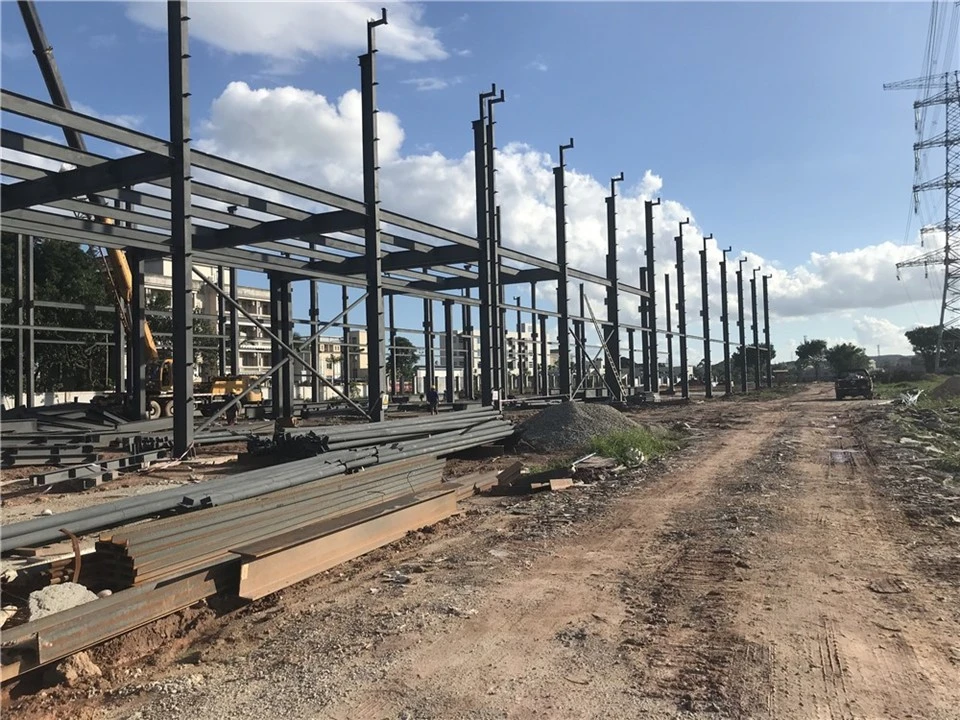

For example, a [Steel Structural Workshop] can be reconfigured to accommodate new machinery or production processes. The ease of modification reduces the need to build a new facility, which can be a costly and time - consuming endeavor. The ability to adapt the building without significant disruption to business operations adds to the project's economic benefits.
Resale Value
Another aspect to consider is the resale value of a steel structure building. Due to their durability, energy efficiency, and flexibility, steel structure buildings often have a higher resale value compared to traditional buildings. When the time comes to sell the building, the owner can expect to recoup a significant portion of the initial investment.
The market demand for steel structure buildings is also increasing, as more businesses recognize their economic and environmental advantages. This means that there is a larger pool of potential buyers, which can drive up the resale price. For investors, the high resale value is an important factor in determining the economic viability of a steel structure building project.
Environmental Considerations
While not strictly an economic factor, environmental considerations can have an impact on the economic benefits of a steel structure building project. Steel is a recyclable material, and using steel in construction reduces the environmental impact. Many governments and organizations offer incentives for building projects that are environmentally friendly, such as tax breaks or grants.
These incentives can offset some of the initial investment costs, making the project more economically attractive. Additionally, consumers are increasingly conscious of environmental issues, and a sustainable building can enhance a company's reputation, potentially leading to increased business and revenue.
Life - Cycle Cost Analysis
To fully evaluate the economic benefits of a steel structure building project, a life - cycle cost analysis should be conducted. This analysis takes into account all costs associated with the building over its entire lifespan, including the initial investment, construction time, energy costs, maintenance costs, and resale value.
By comparing the life - cycle costs of a steel structure building with those of a traditional building, a more accurate assessment of the economic benefits can be made. In most cases, a steel structure building will have a lower life - cycle cost, making it a more economical choice in the long run.
Conclusion
In conclusion, evaluating the economic benefits of a steel structure building project involves considering multiple factors, including initial investment, construction time, energy efficiency, maintenance and durability, flexibility, resale value, environmental considerations, and life - cycle cost analysis. As a supplier of [Steel Structure Building], I can attest to the many economic advantages that steel structures offer.
If you are considering a steel structure building project and would like to discuss the economic benefits in more detail, I encourage you to reach out for a procurement consultation. We can work together to design a steel structure building that meets your specific needs and maximizes the economic benefits of your project.
References
- Construction Economics: Principles and Practice, by Peter Brandon
- Energy - Efficient Building Design, by John Smith
- Steel Construction Manual, American Institute of Steel Construction