

Can aluminum templates be used in pre - fabricated construction?
As a supplier of Aluminum Template, I've witnessed the growing interest in pre - fabricated construction and the potential role our products can play in this innovative building approach. In this blog, I'll explore whether aluminum templates are a suitable choice for pre - fabricated construction, delving into their features, advantages, and challenges.
Understanding Pre - fabricated Construction
Pre - fabricated construction, also known as off - site construction, involves manufacturing building components in a factory environment and then transporting them to the construction site for assembly. This method offers several benefits, such as reduced construction time, improved quality control, and less waste generation compared to traditional on - site construction. With the increasing demand for sustainable and efficient building solutions, pre - fabricated construction has gained significant traction in the global construction industry.
The Features of Aluminum Templates
Aluminum templates, or Aluminum Template, are made from high - strength aluminum alloys. They are lightweight yet durable, which makes them easy to handle and transport. The templates are precision - engineered, ensuring a high level of dimensional accuracy. This accuracy is crucial in pre - fabricated construction, as it allows for seamless integration of pre - fabricated components.
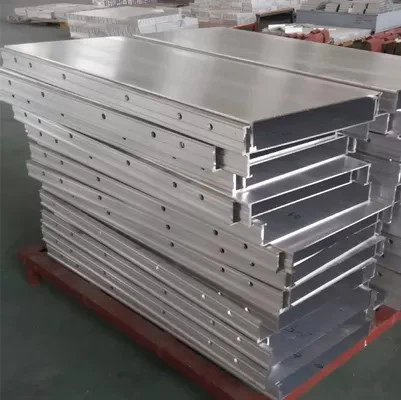

One of the key features of aluminum templates is their reusability. They can be used multiple times in different projects, which significantly reduces the overall cost of formwork. Additionally, aluminum templates are resistant to corrosion, which means they can maintain their structural integrity even in harsh environmental conditions.
Advantages of Using Aluminum Templates in Pre - fabricated Construction
1. Lightweight and Easy to Transport
In pre - fabricated construction, the transportation of building components from the factory to the construction site is a critical factor. Aluminum templates' lightweight nature makes them easy to load, unload, and transport. This not only reduces transportation costs but also minimizes the risk of damage during transit.
2. High Precision and Quality
The precision of aluminum templates ensures that the pre - fabricated components produced have a high level of quality. The smooth surface finish of the templates results in high - quality concrete surfaces, reducing the need for additional finishing work. This is especially important in pre - fabricated construction, where the components are often assembled directly on - site, and any flaws in the components can lead to delays and additional costs.
3. Time - Saving
Aluminum templates can be installed and removed quickly, which saves a significant amount of time in the pre - fabrication process. In a factory environment, where efficiency is key, the fast installation and removal of formwork can increase the production rate of pre - fabricated components. This, in turn, can reduce the overall construction time on the site.
4. Sustainability
As mentioned earlier, aluminum templates are reusable, which reduces the demand for new formwork materials. This is in line with the sustainable development goals of the construction industry. Additionally, the production of aluminum templates consumes less energy compared to the production of traditional formwork materials, such as wood or steel.
Challenges of Using Aluminum Templates in Pre - fabricated Construction
1. Initial Investment
The initial cost of purchasing aluminum templates is relatively high compared to some traditional formwork materials. However, when considering the long - term benefits of reusability and reduced labor costs, the overall cost - effectiveness of aluminum templates becomes evident.
2. Design and Compatibility
In pre - fabricated construction, the design of the building components needs to be carefully planned to ensure compatibility with the aluminum templates. Any design changes during the pre - fabrication process can be costly, as the templates may need to be modified or replaced.
3. Storage and Maintenance
Although aluminum templates are durable, they still require proper storage and maintenance to ensure their long - term performance. Improper storage can lead to damage, and regular maintenance is necessary to prevent corrosion and ensure the accuracy of the templates.
Case Studies
There have been numerous successful projects that have used aluminum templates in pre - fabricated construction. For example, in a high - rise residential building project, the use of Engineering Construction Aluminum Formwork allowed for the rapid production of pre - fabricated wall panels and floor slabs in the factory. The panels were then transported to the site and assembled quickly, reducing the overall construction time by several months.
Another case is a commercial building project where Aluminum Formwork Panel were used to create pre - fabricated columns and beams. The high precision of the aluminum templates ensured a perfect fit between the components, resulting in a high - quality finished building.
Conclusion
In conclusion, aluminum templates can indeed be used in pre - fabricated construction. Their lightweight, high precision, reusability, and time - saving features make them a suitable choice for this innovative building approach. Although there are some challenges, such as the initial investment and design compatibility, the long - term benefits outweigh these drawbacks.
If you are involved in pre - fabricated construction and are looking for a reliable formwork solution, I encourage you to consider our Aluminum Template products. We have a wide range of templates available, and our team of experts can provide you with professional advice and support. Contact us to start a discussion about your specific requirements and explore how our aluminum templates can enhance your pre - fabricated construction projects.
References
- Smith, J. (2020). The Future of Pre - fabricated Construction. Construction Journal, 45(2), 123 - 135.
- Brown, A. (2019). Aluminum Templates in Modern Construction. Building Materials Review, 32(3), 78 - 89.
- Green, C. (2021). Sustainable Formwork Solutions for Pre - fabricated Construction. Environmental Construction Magazine, 18(4), 45 - 56.