

Hey there! As a supplier of Aluminium Wall Formwork, I often get asked if this type of formwork can be used in high - rise buildings. Well, let's dive right into it and find out.
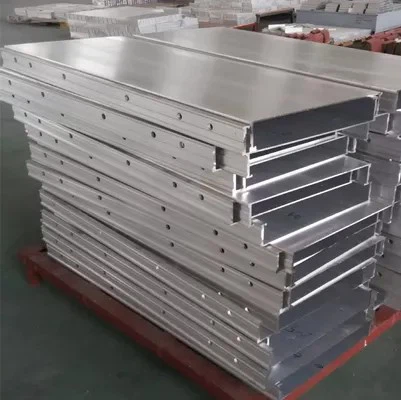
First off, what exactly is aluminium wall formwork? Aluminium wall formwork is a system made of high - strength aluminium alloy. It's designed to create the shape and structure for concrete walls during construction. It's known for its light weight, high strength, and reusability.
Now, let's talk about high - rise buildings. High - rise buildings present unique challenges in construction. They need to be built quickly, safely, and with high precision. The formwork used in these projects has to be able to withstand high pressures, support heavy loads, and be easy to install and remove.
One of the biggest advantages of using aluminium wall formwork in high - rise buildings is its light weight. Compared to traditional formwork materials like wood or steel, aluminium is much lighter. This makes it easier to handle on construction sites, especially when working at great heights. Workers don't have to struggle as much to lift and move the formwork, which can improve productivity and reduce the risk of injuries.
Another great thing about aluminium wall formwork is its high strength. Despite being light, aluminium formwork can support the weight of wet concrete during the pouring process. This is crucial in high - rise construction, where large volumes of concrete are used. The formwork needs to be strong enough to hold the concrete in place until it sets. Aluminium formwork meets this requirement, providing a stable and reliable structure for the concrete walls.
Reusability is also a major plus. In high - rise building projects, which often involve multiple floors with similar wall designs, the ability to reuse the formwork can save a lot of money and resources. Aluminium wall formwork can be used for many cycles, sometimes up to 200 times or more, depending on how well it's maintained. This reduces the need for constant replacement of formwork materials, which is not only cost - effective but also more environmentally friendly.
Precision is key in high - rise construction, and aluminium wall formwork delivers just that. It can be manufactured with high accuracy, ensuring that the concrete walls are of the right dimensions and have a smooth finish. This is important for the overall aesthetics and functionality of the building. With aluminium formwork, you can achieve a high level of quality control, which is essential for high - rise projects.
Now, let's look at some of the potential concerns. One worry might be the cost. Aluminium wall formwork usually has a higher upfront cost compared to traditional formwork materials. However, when you consider its long - term benefits, such as reusability and increased productivity, the overall cost - effectiveness becomes clear.
Another concern could be the heat resistance. Aluminium has a relatively low melting point compared to steel. In case of a fire, there might be concerns about the formwork's integrity. But modern aluminium wall formwork systems are designed with fire - resistant coatings and other safety features to address this issue.
In high - rise construction, speed is of the essence. Aluminium wall formwork can be installed and removed much faster than traditional formwork. This means that the construction process can be accelerated, allowing the building to be completed in a shorter time frame. This is a huge advantage, especially when there are tight deadlines.
Let's take a look at some real - world examples. There are many high - rise buildings around the world that have successfully used aluminium wall formwork. These projects have demonstrated the formwork's ability to meet the demands of high - rise construction. For instance, in some large - scale residential high - rise complexes, the use of aluminium wall formwork has led to significant time and cost savings.
If you're interested in learning more about the different types of aluminium formwork products we offer, check out these links: Aluminum Formwork Panel, Engineering Construction Aluminum Formwork, and Aluminum Template. These pages provide detailed information about our products and their features.
So, can aluminium wall formwork be used in high - rise buildings? The answer is a resounding yes! It offers a range of benefits that make it a great choice for high - rise construction projects. From its light weight and high strength to its reusability and precision, aluminium wall formwork can help you build high - rise buildings more efficiently and cost - effectively.
If you're involved in a high - rise building project and are considering using aluminium wall formwork, I'd love to have a chat with you. We can discuss your specific needs, and I can provide you with more information about our products and services. Whether you're a contractor, an architect, or a developer, we're here to help you make the best choice for your project. Contact us today to start the conversation about how our aluminium wall formwork can work for you.

References:
- Construction Industry Institute. "Best Practices in High - Rise Building Construction."
- International Association of Structural Engineers. "Formwork Design and Use in Tall Buildings."
- Aluminium Association. "Properties and Applications of Aluminium in Construction."