

As a supplier of steel building structures, I've often been asked whether our steel structures are suitable for hot climates. This is a crucial question, as the performance of a building in a specific climate can significantly impact its functionality, durability, and cost - effectiveness. In this blog, I'll delve into the suitability of steel building structures in hot climates, considering various factors such as thermal properties, durability, and design flexibility.

Thermal Properties of Steel in Hot Climates
One of the primary concerns when it comes to using steel in hot climates is its thermal conductivity. Steel is a good conductor of heat, which means it can quickly absorb and transfer heat. In a hot climate, this can lead to the interior of a steel building becoming extremely hot if proper insulation is not in place. However, modern insulation materials can effectively mitigate this issue.
Insulation is key to reducing the heat transfer through the steel structure. There are various types of insulation available, such as fiberglass, spray - foam, and reflective insulation. Fiberglass insulation is a popular choice due to its affordability and ease of installation. It works by trapping air within its fibers, which slows down the heat transfer. Spray - foam insulation, on the other hand, provides a more air - tight seal and can be applied directly to the steel surfaces. Reflective insulation reflects radiant heat, reducing the amount of heat absorbed by the building.

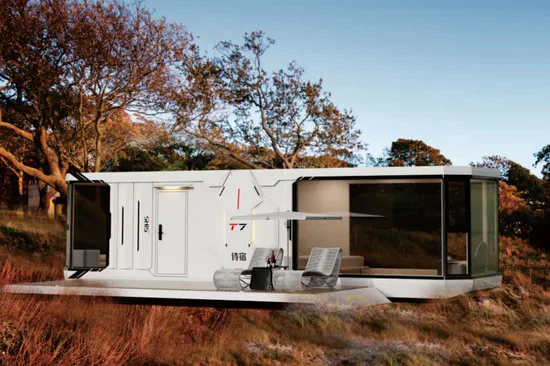
When properly insulated, steel buildings can maintain a comfortable indoor temperature even in hot climates. For example, in a well - insulated Steel Structure Small House, the occupants can enjoy a cool interior while the outside temperature soars. The insulation not only improves the comfort of the building but also reduces the energy consumption required for cooling.
Durability of Steel in Hot and Harsh Conditions
Steel is known for its durability, and this is an advantage in hot climates. High temperatures can cause many building materials to deteriorate over time, but steel can withstand the heat without significant degradation. Steel has a high melting point, which means it won't warp or melt under normal hot climate conditions.
In addition to heat resistance, steel is also resistant to pests and rot. In hot and humid climates, pests such as termites can cause severe damage to wooden structures. Steel buildings are not susceptible to such pests, which reduces the need for costly pest control measures. Rot is another issue that affects many traditional building materials in humid and hot environments. Since steel does not contain organic material, it is immune to rot.
However, steel is prone to corrosion, especially in hot and humid conditions where moisture is present. To prevent corrosion, steel structures can be coated with anti - corrosion paints or galvanized. Galvanization involves applying a layer of zinc to the steel surface, which acts as a sacrificial anode and protects the steel from rusting. Regular maintenance and inspections can also help identify and address any signs of corrosion early on.
Design Flexibility for Heat Management
Another advantage of steel building structures in hot climates is their design flexibility. Steel can be easily fabricated into various shapes and sizes, allowing for the creation of buildings with features that enhance heat management.
For example, steel structures can be designed with large overhangs to provide shade. These overhangs can block direct sunlight from entering the building, reducing the amount of heat absorbed. Ventilation systems can also be incorporated into the design of steel buildings. Natural ventilation can be achieved through the use of operable windows, vents, and louvers. These features allow hot air to escape and fresh air to enter the building, creating a natural airflow and reducing the need for mechanical cooling.
In industrial settings, Steel Structure Workshop Building can be designed with high - bay ceilings and large - scale ventilation systems. The high - bay ceilings allow hot air to rise and be expelled through roof vents, while the large - scale ventilation systems ensure a continuous supply of fresh air.
Energy Efficiency Considerations
Energy efficiency is a major concern in hot climates, as the cost of cooling can be substantial. Steel building structures can be designed to be energy - efficient in several ways.
As mentioned earlier, proper insulation is crucial for reducing heat transfer and energy consumption. In addition to insulation, the orientation of the building can also play a significant role in energy efficiency. A steel building can be oriented to minimize direct sunlight exposure during the hottest parts of the day. For example, the long axis of the building can be aligned east - west to reduce the amount of sunlight hitting the south - facing walls.
The use of energy - efficient lighting and HVAC systems can further enhance the energy efficiency of steel buildings. LED lighting consumes less energy than traditional lighting sources, and modern HVAC systems are designed to operate more efficiently.
Case Studies of Steel Buildings in Hot Climates
There are numerous successful examples of steel buildings in hot climates around the world. For instance, in the Middle East, many commercial and industrial buildings are constructed using steel structures. These buildings are designed with advanced insulation and ventilation systems to combat the extreme heat.
In the southern United States, where the summers are hot and humid, Steel Structure Automatic Garage are becoming increasingly popular. These garages are built to withstand the heat and humidity while providing a secure and comfortable space for vehicles.
Conclusion and Call to Action
In conclusion, steel building structures are indeed suitable for hot climates when proper design, insulation, and maintenance measures are taken. The thermal properties of steel can be managed through effective insulation, and its durability makes it a long - lasting option in harsh hot conditions. The design flexibility of steel allows for the creation of buildings that are energy - efficient and comfortable.
If you're considering a building project in a hot climate, I encourage you to explore the possibilities of steel building structures. Our company offers a wide range of steel building solutions, including Steel Structure Automatic Garage, Steel Structure Small House, and Steel Structure Workshop Building. We have the expertise and experience to design and construct a steel building that meets your specific needs and performs well in a hot climate.
To learn more about our steel building products and services, or to start a discussion about your project, please feel free to reach out to us. We look forward to the opportunity to work with you and help you create a high - quality steel building for your hot - climate location.
References
- "Steel Construction Manual", American Institute of Steel Construction.
- "Building Science for Architects and Builders", by John Straube and Joseph Lstiburek.
- Research papers on the performance of steel structures in hot climates from academic journals such as the Journal of Structural Engineering.